EN
EN

why-packing-sticks-matter-in-manual-preroll-cone-filling, why-packing-sticks-matter-in-manual-preroll-cone-filling, /news
EN
2026/08/03
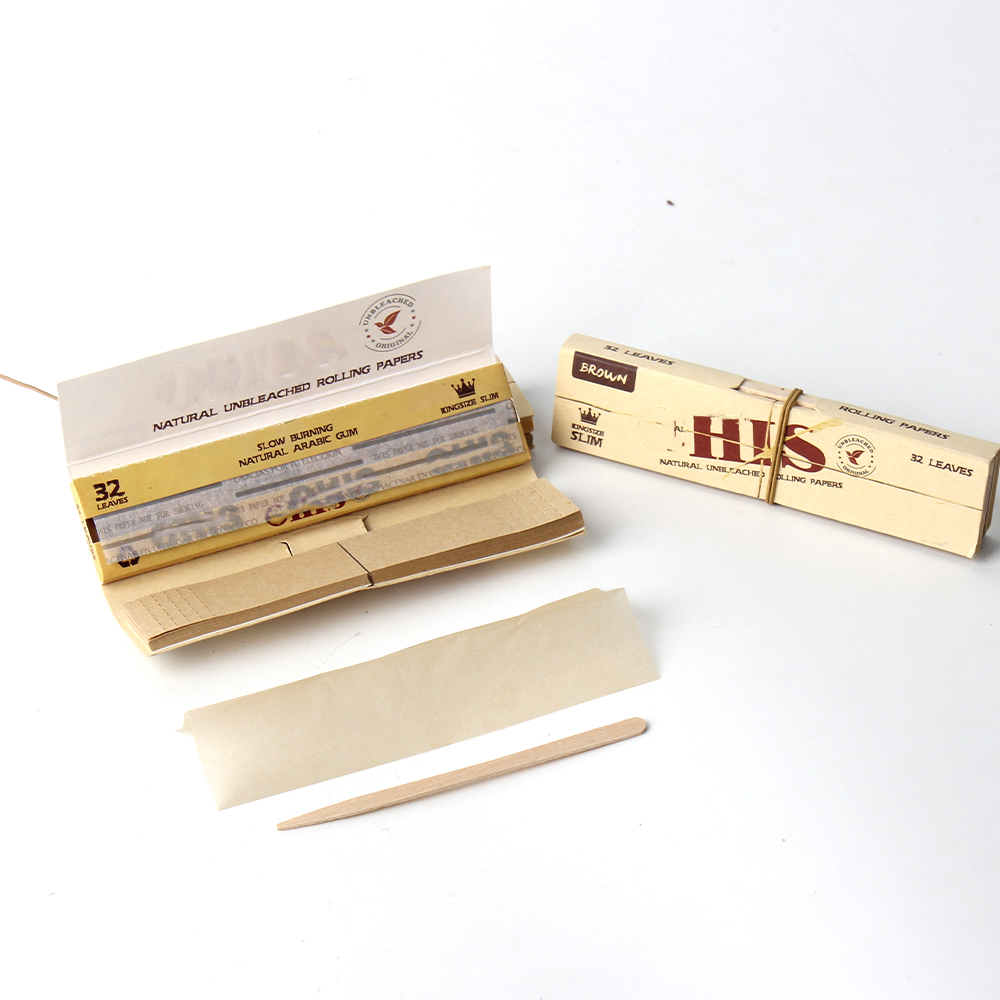
When working with pre roll cones, the quality of your final product depends heavily on the tools and techniques you use during the manual filling process. Many manufacturers and small-scale producers overlook the importance of a proper packing stick, viewing it as a minor accessory rather than a critical component. However, the packing stick plays a fundamental role in achieving consistent density, even distribution, and optimal smoking quality across every pre roll cone you produce.
The difference between a well-packed pre roll cone and a poorly packed one lies in material uniformity, draw resistance, and burn rate. Without the right packing stick and proper technique during your filling process, you risk creating cones with air pockets, uneven density, or loose material that falls out during handling. Understanding why the packing stick matters in cone accessories will help you elevate production quality and customer satisfaction significantly.
A packing stick is specifically designed to compress and settle material evenly inside pre roll cones without damaging the paper or creating excessive friction. During manual filling, loose material naturally contains air gaps and irregular density zones. The packing stick compresses this material gradually, creating a uniform density gradient that ensures even burn and consistent draw resistance throughout the smoking experience.
When you use a proper packing stick, you achieve what's called 'active density control.' This means you can deliberately pack material to your desired firmness level rather than leaving it to chance. The cone accessories industry has evolved to offer sticks with different tip shapes and materials specifically to address various material types and cone sizes. This precision directly influences how consumers perceive product quality and consistency.
The manual filling process requires a careful balance between compression and speed. If material is packed too loosely, the pre roll cone will have an uneven burn with hot spots and runs. If packed too tightly, airflow becomes restricted, making the cone difficult or unpleasant to smoke. The packing stick enables you to achieve this balance through controlled, incremental compression as you fill the filling process stage by stage.
Industry standards recognize that material density should increase slightly toward the base of the cone to optimize burn characteristics. A quality packing stick allows operators to apply graduated pressure, packing more firmly at the bottom and lighter toward the tip. This graduated density technique is nearly impossible to achieve reliably without a dedicated tool.
Different cone accessories serve different production needs, and the packing stick is no exception. Cone accessories come in various materials including wood, plastic, and composite options, each offering distinct advantages. Wooden packing sticks provide natural friction control and won't generate static, while plastic alternatives offer durability and ease of cleaning between batches. Your choice of packing stick should match your production volume and material types.
The tip diameter and shape of your packing stick must align with your pre roll cones dimensions. A stick that's too narrow may miss compressing material along the interior walls, while one that's too wide creates unnecessary resistance and potential paper damage. Tapered designs allow you to work effectively in both wider and narrower sections of the cone, making them popular across various cone sizes and production environments.
Maintaining your cone accessories extends their lifespan and ensures consistent performance throughout your filling process. Regular cleaning prevents material residue buildup that can affect packing texture and increase friction. Wooden packing sticks should be gently wiped after each use, while plastic versions can tolerate light washing. Damaged or worn tips should be replaced promptly, as they compromise the precision required for quality results.
Investing in multiple packing sticks of varying designs gives you flexibility in handling different material types and production scenarios. Having backup tools prevents workflow interruptions when primary tools wear out. This redundancy is especially important in commercial pre roll cone production where downtime directly impacts revenue and customer fulfillment deadlines.
Operators using proper packing sticks complete the manual filling process faster because they're not struggling with loose material or creating air pockets that require rework. A well-designed packing stick enables consistent technique across multiple operators, reducing training time and minimizing quality variability. This efficiency translates directly to higher throughput without sacrificing the quality of your pre roll cones or cone accessories.
The ergonomic design of modern packing sticks reduces hand fatigue during extended filling sessions. When operators can work comfortably and consistently, productivity increases naturally. Many producers report that upgrading their packing stick tools results in a 15–25% improvement in overall production speed while simultaneously improving consistency in pre roll cone quality.
Improper packing during manual filling causes several costly issues: material falls out during handling, cones fail quality inspection, or consumers receive sub-standard products. These problems drive waste and require rework that consumes additional material and labor. A proper packing stick minimizes these failures by ensuring material stays securely packed throughout production, packaging, and distribution.
When you invest in quality cone accessories like reliable packing sticks, you reduce rework rates and material waste significantly. This reduction in waste improves your overall profit margins while simultaneously improving your brand's reputation for consistency. The initial investment in better packing stick tools pays for itself through reduced waste and improved customer retention.
A packing stick is engineered specifically for controlled material compression inside pre roll cones, unlike general accessories. Its tapered tip, material composition, and weight distribution are designed to apply even pressure while minimizing paper damage. Other cone accessories may serve different functions like filling or measuring, but the packing stick's purpose is compression consistency.
While improvised tools might seem to work initially, they typically lack the precision and safety features of a dedicated packing stick. Improvised tools risk damaging your pre roll cones, creating uneven density, or causing material spillage. Proper cone accessories like designed packing sticks are affordable and worth the investment for quality assurance and operator safety during your filling process.
Replace your packing stick when you notice visible wear like fraying, splintering, or shape distortion that affects packing consistency. With regular maintenance, quality packing sticks typically last several months in moderate production environments. In high-volume operations, you might replace them more frequently. Having multiple backups ensures continuous production without quality interruptions when your primary packing stick needs replacement.