EN
EN

why-repeatability-matters-more-than-sample-quality-in-cone-sourcing, why-repeatability-matters-more-than-sample-quality-in-cone-sourcing, /news
EN
2026/08/13
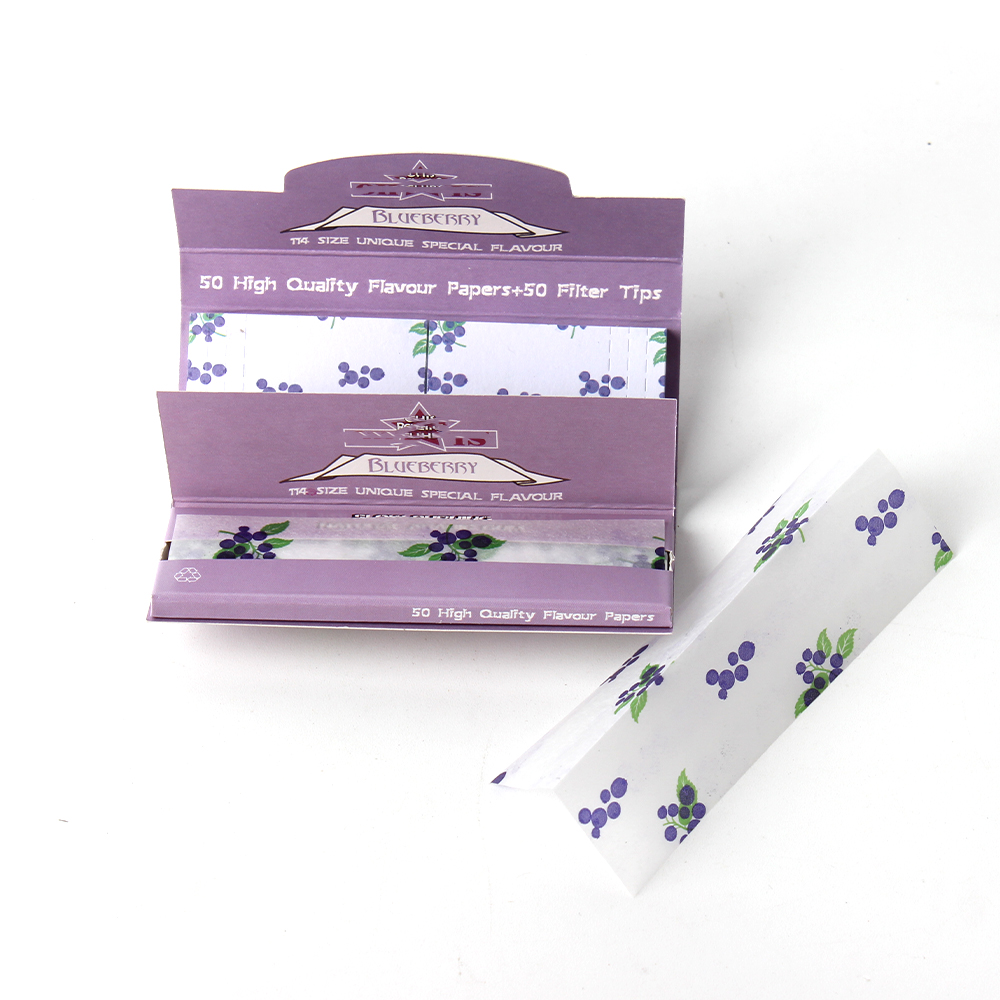
When sourcing pre rolled cones, many procurement teams focus heavily on evaluating a single outstanding sample, believing that one perfect unit reflects the supplier's true capability. However, this approach often leads to disappointment after the initial order arrives. The critical distinction lies in understanding that repeatability and batch consistency ultimately determine supplier reliability far more than any individual sample quality. A supplier who consistently delivers reliable pre rolled cones across every batch builds trust and reduces operational friction throughout your production pipeline.
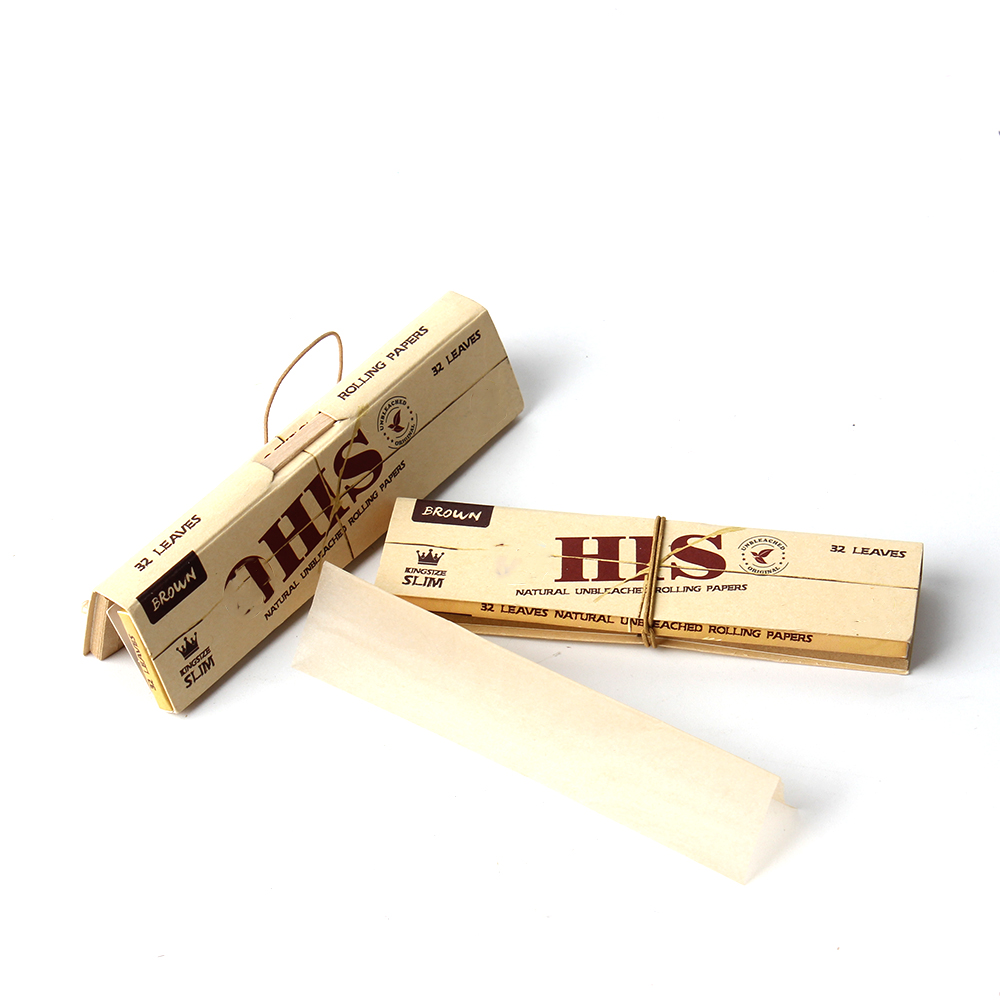
The reality of industrial sourcing is that one pristine pre rolled cones sample tells you very little about what will arrive in subsequent shipments. Suppliers naturally present their best work during the evaluation phase, but real supplier performance emerges when you assess batch consistency across multiple orders. This is why forward-thinking procurement professionals now prioritize repeatability as the cornerstone of supplier evaluation, recognizing that long-term cost savings and quality stability depend on consistent delivery rather than isolated excellence.
Every supplier can deliver an excellent pre rolled cones sample when motivation is highest and quality controls are fully engaged. The real test comes after the contract is signed and production scales to commercial volumes. Repeatability measures whether that supplier maintains the same quality standards, dimensional tolerances, and material consistency across hundreds or thousands of units. Without repeatability as your benchmark, you risk building dependency on a supplier whose performance collapses once initial orders commence.
Batch consistency becomes your verification tool for measuring repeatability. Instead of judging supplier capability on a single impressive sample, you should request multiple pre rolled cones samples from different production runs or ask the supplier to provide data showing quality metrics across past batches. This approach reveals whether the supplier's processes, equipment calibration, and quality assurance systems are stable enough to handle the variability inherent in manufacturing at scale.
Sample quality focuses narrowly on the aesthetics and immediate functionality of individual units. A perfect pre rolled cones sample might have flawless paper, ideal moisture content, and precise rolling tension. However, that sample says nothing about whether the supplier can replicate those conditions repeatedly under different environmental factors, machine wear cycles, or material batch variations. Prioritizing sample quality without demanding proof of repeatability is like judging a supplier's reliability based on their best day rather than their typical performance.
The cost implications are significant. When batch consistency falters after initial orders, you face production delays, increased quality inspection costs, higher rejection rates, and potential customer dissatisfaction. These hidden costs often exceed the small savings gained by choosing a supplier based solely on an outstanding first sample. Sophisticated procurement strategies therefore shift focus toward repeatability metrics and batch consistency documentation as the real drivers of total cost of ownership.
Effective supplier evaluation requires you to define what repeatability means operationally. For pre rolled cones, this might include specifications such as cone wall thickness tolerance, seal integrity standards, moisture content ranges, and rolling consistency metrics. Request that your supplier provide statistical data showing how their production maintains these parameters across samples drawn from different batches over a defined period. This data-driven approach replaces intuition with measurable evidence of batch consistency capability.
You should also implement a staggered sampling protocol during the qualification phase. Rather than accepting a single impressive pre rolled cones sample, request multiple small batches delivered over several weeks. Test each batch against identical criteria and document variation. This reveals whether the supplier's repeatability is genuine or a one-time achievement. Suppliers with strong batch consistency will show tight clustering around your target specifications, while those lacking process control will display wide variation between deliveries.
Once you understand the importance of repeatability over initial sample quality, embed batch consistency requirements directly into your supplier contracts. Specify acceptable tolerances for key parameters, define the frequency of third-party testing or mutual inspections, and establish clear consequences for batches that fail to meet consistency standards. This contractual framework transforms repeatability from a vague aspiration into a measurable, enforceable obligation that aligns supplier incentives with your operational needs.
Many successful sourcing teams now require suppliers to provide statistical process control data, showing control charts and capability indices that demonstrate ongoing batch consistency. When a supplier can document their production capability and show that their processes consistently stay within defined limits, you gain confidence that future orders will meet expectations. This level of transparency also signals a supplier's sophistication and commitment to quality, both strong predictors of long-term reliability.
Choosing suppliers based on repeatability and batch consistency directly reduces your operational risk and total cost of ownership. When you receive consistent pre rolled cones from each order, your quality inspection workload decreases, rework expenses disappear, and production scheduling becomes more predictable. The financial impact compounds over time, as reliable batch consistency eliminates the need for safety stock buffers and reduces the frequency of emergency supplier changes when quality fails unexpectedly.
Additionally, repeatability supports your own quality reputation. Your customers receive consistent product experience with every purchase, which strengthens brand loyalty and reduces complaint volume. This is especially critical in industries where cone quality directly affects end-user satisfaction and where inconsistent batches create negative perceptions. By prioritizing supplier repeatability, you protect your market position and customer relationships far more effectively than focusing narrowly on acquiring the best possible individual sample.
When your supplier demonstrates true repeatability across batch consistency metrics, you gain confidence to scale orders without fear of quality degradation. This enables strategic expansion of your own business because you know your supply chain can reliably support increased volumes. In contrast, suppliers chosen primarily for an excellent initial pre rolled cones sample often struggle to maintain quality as order volumes increase, forcing you to invest in alternative suppliers or costly quality management interventions.
Predictable batch consistency also simplifies forecasting and inventory management. Your planning team can rely on consistent lead times, stable quality levels, and predictable material behavior, allowing more efficient resource allocation. This operational predictability translates to lower carrying costs, reduced waste, and more efficient cash flow management. The strategic value of repeatability therefore extends well beyond quality metrics into core business operations and financial performance.
Request multiple pre rolled cones samples from the supplier drawn from different batches produced over consecutive weeks. Ask for statistical documentation showing their production capability and batch consistency data from existing customers. Request references from established clients who can speak to the supplier's actual performance on delivered orders. Additionally, propose a small trial order with clearly defined quality metrics before committing to larger volumes, allowing you to verify batch consistency firsthand.
Sample quality remains important as a baseline threshold. Your pre rolled cones samples must meet your minimum functional and aesthetic requirements before repeatability becomes the differentiator. However, do not mistake an exceptional sample for evidence of superior overall supplier capability. Instead, use sample evaluation to establish whether the supplier can meet your baseline standards, then focus on repeatability and batch consistency to confirm they maintain that standard reliably across all orders.
Yes, suppliers can improve repeatability through equipment upgrades, process refinement, and better material control. However, you should not rely on post-award improvement as your strategy. Choose suppliers who already demonstrate strong batch consistency and repeatability, then build improvement into your relationship as an ongoing optimization effort. Suppliers selected primarily on initial sample quality rarely achieve the consistency level you need without substantial corrective intervention and investment on your part.