EN
EN

why-rolling-paper-booklets-fail-to-dispense-smoothly-and-how-paper-folding-impacts-use, why-rolling-paper-booklets-fail-to-dispense-smoothly-and-how-paper-folding-impacts-use, /news
EN
2026/08/31
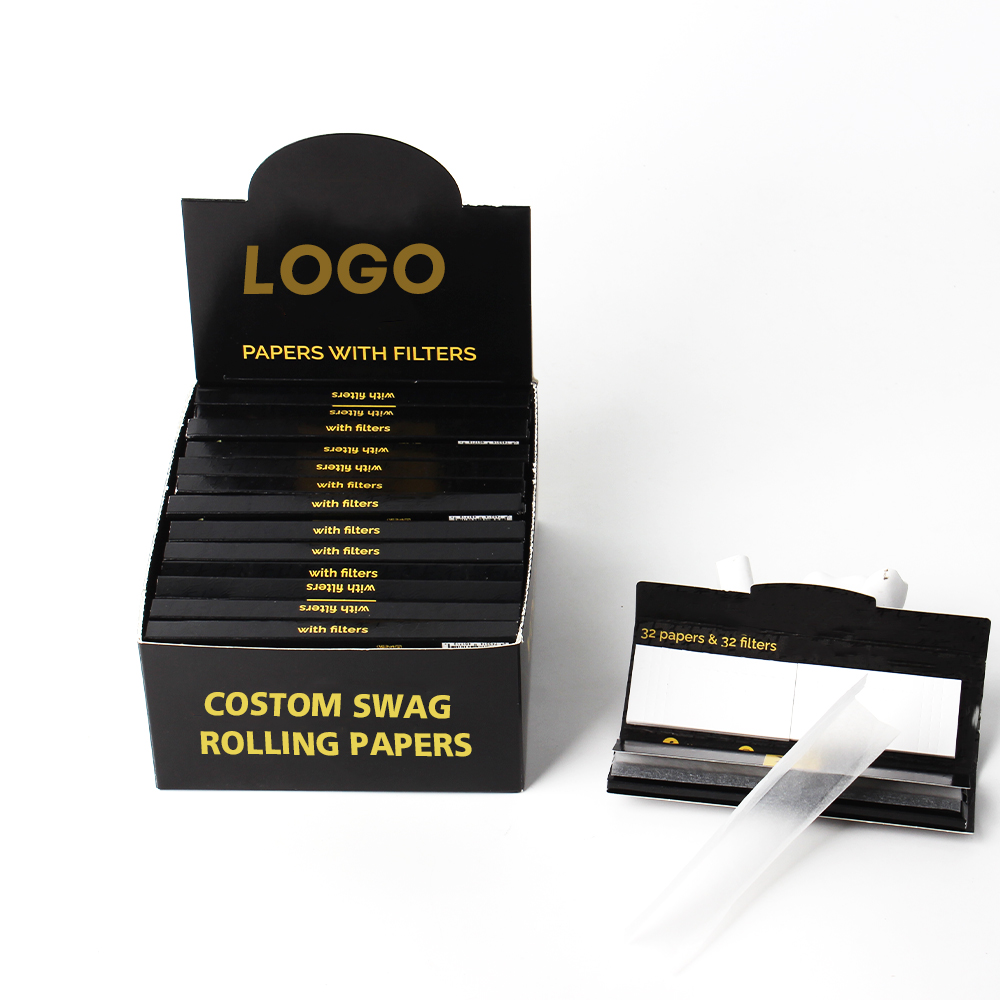
Rolling paper booklets are a staple in the smoking industry, yet many users encounter frustrating dispensing problems that significantly impact their experience. Despite their widespread popularity, these products frequently fail to deliver papers smoothly, leading to torn sheets, jammed mechanisms, and wasted material. Understanding why rolling paper booklets struggle with consistent dispensing requires examining the complex interplay between paper composition, folding techniques, manufacturing tolerances, and the physical design of the dispenser mechanism itself.
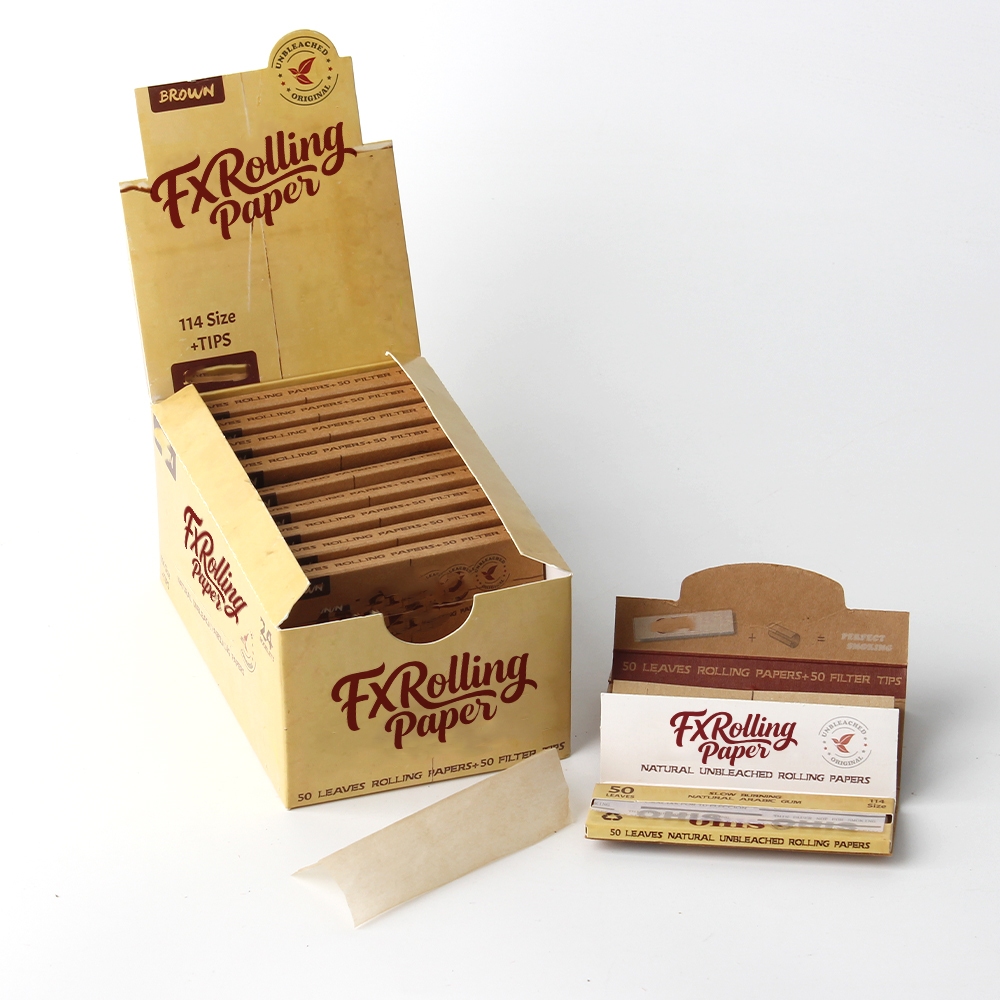
The dispensing failure rate in rolling paper booklets stems from multiple interconnected factors that manufacturers often overlook or prioritize differently. When papers bind, tear, or refuse to feed smoothly, the root cause typically involves improper paper slip dispenser design, inadequate moisture control, or inconsistent folding during production. Users increasingly demand better performance and are shifting toward products that combine functionality with quality materials, including slow burning paper and chemical free rolling paper options that also maintain reliable dispensing.
Paper folding is not simply a matter of bending sheets—it fundamentally shapes how each leaf interacts with the dispenser mechanism. When rolling paper booklets are folded at precise angles and tensions, the crease quality determines whether individual papers will separate cleanly or cling together in frustrating clumps. Poor folding creates micro-wrinkles and uneven pressure points that cause adjacent sheets to stick, making smooth withdrawal nearly impossible. The paper slip dispenser in booklet designs relies on exact fold geometry to function; if the crease is too tight or too loose, friction patterns change dramatically.
Manufacturers typically use industrial folding equipment, yet variations in paper moisture content before folding introduce inconsistency into every batch. If the input paper is too dry, creases become brittle and prone to splitting. Conversely, overly moist paper produces soft folds that collapse when stacked, creating excessive friction within the booklet spine. Rolling paper booklets manufactured without precise humidity control during folding will exhibit cascading dispensing failures as users attempt extraction. The fold angle itself—typically between 160 and 180 degrees for optimal separation—directly controls whether the paper slip dispenser allows smooth, sequential release or creates stubborn resistance.
Rolling paper booklets containing sheets with inconsistent thickness create unpredictable stacking pressure that disrupts smooth dispensing. When some papers measure 0.07mm while others reach 0.09mm, the cumulative effect across 50 leaves in a booklet becomes significant. Thicker sheets press harder against their neighbors, increasing friction and resistance at the paper slip dispenser interface. This thickness variance typically results from inconsistent raw material quality or inadequate quality control during the papering process, yet its impact on user experience is profound.
Modern slow burning paper formulations can also introduce thickness inconsistency because additives and binders are sometimes unevenly distributed during coating. Chemical free rolling paper options that rely purely on natural fibers may exhibit greater thickness variation than chemically processed alternatives, creating a quality-versus-purity tradeoff. When rolling paper booklets combine premium chemical free rolling paper with poor folding and stacking precision, dispensing problems emerge despite the superior material quality. Manufacturers must therefore maintain strict tolerance bands—ideally within 0.01mm—to ensure that all papers within a booklet stack uniformly and allow the paper slip dispenser mechanism to function reliably.
Moisture content is perhaps the most critical yet overlooked factor influencing rolling paper booklets performance. Paper naturally absorbs or releases water vapor depending on ambient humidity, and this hygroscopic behavior directly affects how sheets interact within the dispenser. Rolling paper booklets manufactured at 45% relative humidity may perform perfectly in that controlled environment but develop serious binding issues when users store them at 70% humidity. The papers absorb additional moisture, swell slightly, and press tighter against neighbors, causing the paper slip dispenser to jam or require excessive force to withdraw individual sheets.
Conversely, rolling paper booklets stored in dry climates below 30% humidity may become brittle and prone to tearing during dispensing. The optimal moisture range for most papers is 40–50% relative humidity, and slow burning paper varieties often require slightly higher moisture content to maintain their burning characteristics. Chemical free rolling paper products, lacking synthetic binders, are particularly sensitive to moisture swings and may exhibit pronounced adhesion changes. Premium rolling paper booklets should be packaged with moisture-barrier materials and include desiccant elements to maintain stable conditions. When this protection is inadequate, users encounter inconsistent performance that contradicts the quality expectations associated with the product name.
Environmental exposure fundamentally alters how rolling paper booklets perform over time. Papers stored in humid basements develop mold-resistant coatings that increase inter-sheet friction, while papers exposed to heater vents become desiccated and fragile. The paper slip dispenser mechanism is designed for papers at manufacturing humidity, not for materials that have undergone significant moisture migration. Users typically do not control storage conditions carefully, yet rolling paper booklets must tolerate moderate environmental variation without performance degradation. Slow burning paper formulations are particularly dependent on stable moisture; if they dry out, their combustion rate accelerates unpredictably.
Manufacturers can improve performance by selecting paper coating formulations that minimize moisture sensitivity and by establishing packaging specifications that maintain stable internal humidity for extended periods. Rolling paper booklets designed for real-world storage conditions outperform laboratory-optimized products that assume users will maintain ideal environments.
Rolling paper booklets depend on extraordinarily tight manufacturing tolerances that many producers struggle to maintain consistently. The spacing between fold creases must remain accurate to within tenths of millimeters; if the paper slip dispenser slot aligns poorly with folded sheet positions, binding occurs immediately. Production facilities using older equipment or inadequate calibration procedures introduce cumulative errors that compound through each booklet. A stack of 50 papers, each misaligned by just 0.2mm, creates a collective deviation that makes smooth dispensing impossible. Manufacturers serious about quality implement vision systems, laser measurement, and statistical process control to ensure that every rolling paper booklets unit meets specifications.
Chemical free rolling paper lines present additional precision challenges because natural fibers are less uniform than synthetic alternatives, requiring more careful handling and tighter process control. Slow burning paper production demands exacting standards for coating thickness and chemical balance, and any deviation creates dispensing friction. Rolling paper booklets should pass functional testing before packaging—specifically, extraction testing to confirm that the paper slip dispenser mechanism reliably releases each sheet without jamming, tearing, or requiring excessive force. Products failing these tests should not reach consumers.
The binding and stitching that hold rolling paper booklets together influence dispensing performance significantly. If the spine is stitched too tightly, papers cannot move freely within the booklet, and the paper slip dispenser struggles to separate individual sheets. Conversely, overly loose stitching allows papers to shift and overlap, also creating binding issues. The glue used in booklet assembly must remain flexible after curing; brittle adhesives become harder over time and increase resistance to paper extraction. Rolling paper booklets engineered with appropriate spine flexibility and carefully selected adhesives maintain consistent dispensing performance throughout their shelf life. Premium chemical free rolling paper and slow burning paper products warrant equally premium assembly methods rather than cost-cutting shortcuts that undermine material quality.
Jamming typically results from moisture exposure, inconsistent paper thickness, or poor fold geometry. Rolling paper booklets stored in humid environments absorb water vapor that increases inter-sheet friction. Additionally, papers with varying thickness create uneven stacking pressure that disrupts the paper slip dispenser mechanism. Manufacturers using inadequate folding precision introduce micro-wrinkles that cause adjacent sheets to stick. Storing your booklets in a cool, dry location with 40–50% relative humidity will improve dispensing performance significantly.
Chemical free rolling paper and conventional paper exhibit different moisture sensitivity profiles. Natural cellulose fibers in chemical free rolling paper respond more dramatically to humidity fluctuations without synthetic stabilizers, meaning dispensing consistency depends more heavily on stable storage conditions. Slow burning paper formulations, which may incorporate natural or synthetic additives, require moderate moisture levels to maintain proper combustion characteristics.
Absolutely. The paper slip dispenser slot must align precisely with folded sheet positions to enable smooth extraction. If the dispenser is misaligned, undersized, or burrs exist along its edges, individual sheets will catch and tear rather than slide cleanly. Quality manufacturers test every unit to confirm the paper slip dispenser releases papers without excessive force or binding. Poor dispensing attributed to manufacturing defects should prompt replacement or refund. Rolling paper booklets from reputable producers undergo functional testing specifically to prevent these dispenser-related failures from reaching consumers.