EN
EN

why-sample-approval-should-come-before-preroll-cone-mass-production, why-sample-approval-should-come-before-preroll-cone-mass-production, /news
EN
2026/09/04
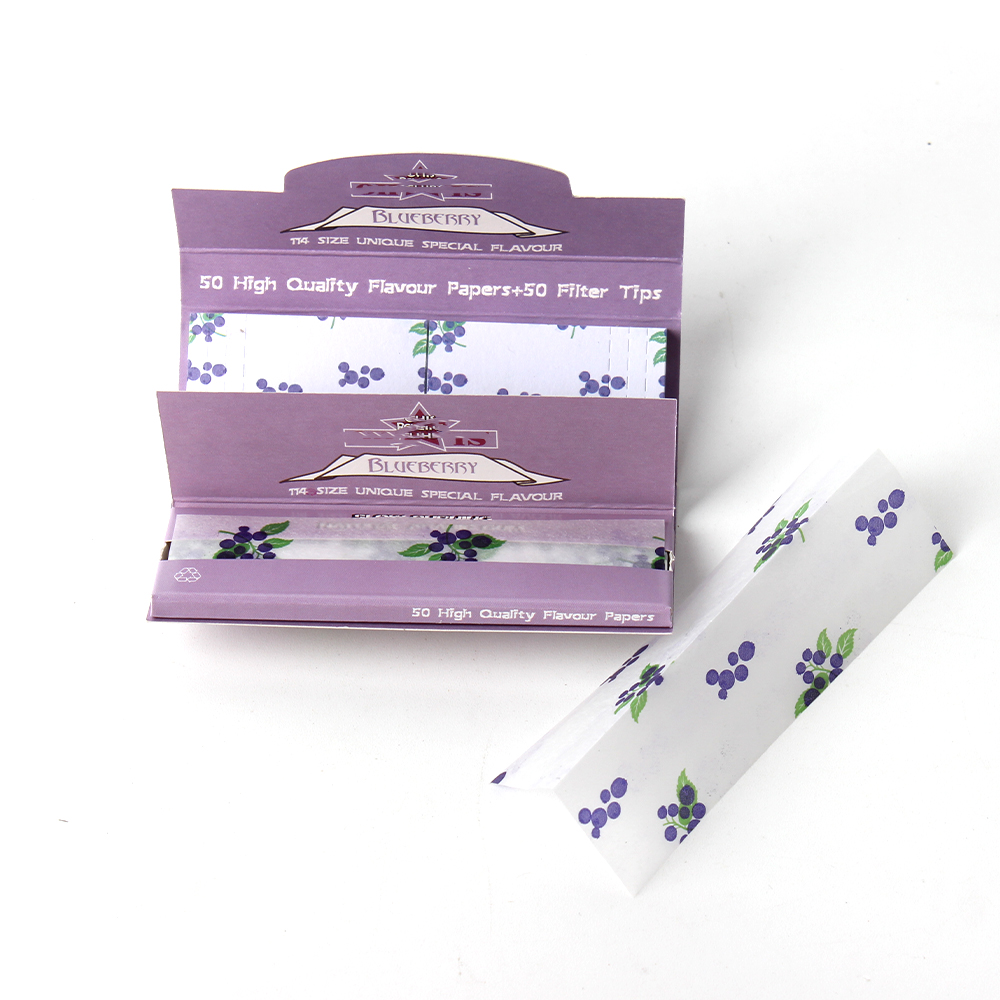
The decision to move from prototype development to full-scale manufacturing represents one of the most critical junctures in the pre-roll cone production lifecycle. Many manufacturers, eager to capture market demand, rush directly into mass production without conducting thorough sample approval protocols. This approach introduces significant operational, quality, and financial risks that could have been prevented through a structured evaluation phase. Understanding why sample approval must precede mass production is essential for any OEM or supplier looking to deliver consistent, high-quality products while protecting their reputation and profitability.
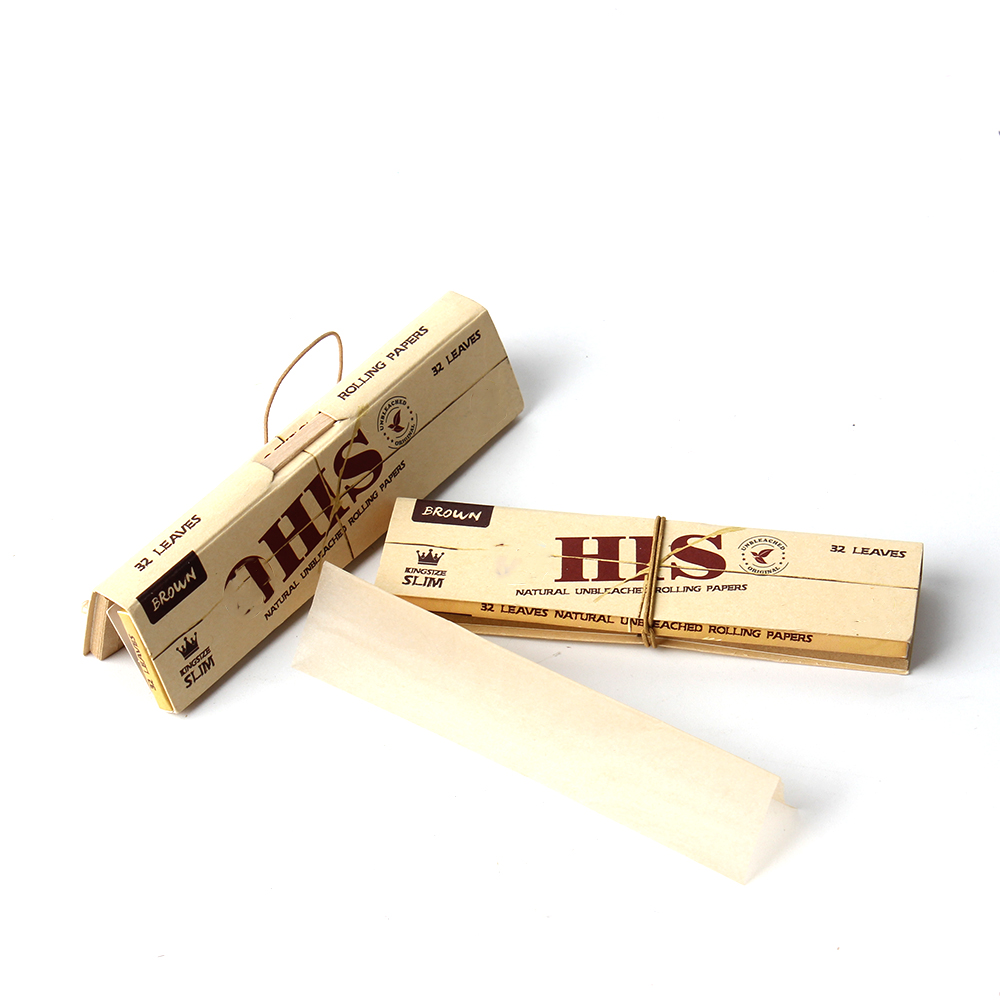
Sample approval represents the validation stage where production specifications, material quality, and manufacturing processes are tested on a smaller scale before committing to full-volume runs. This phase ensures that every element of the pre rolled cones sample meets agreed-upon standards and customer expectations. Without this critical checkpoint, manufacturers face the prospect of discovering defects, inconsistencies, or performance issues only after thousands of units have already been produced and distributed, leading to costly recalls, reputation damage, and customer dissatisfaction.
Quality control is not a single checkpoint but an integrated system that begins long before mass production commences. The sample approval phase is where this system is formally validated and refined. During this stage, manufacturers test materials, verify dimensional accuracy, assess burn rates, check seal integrity, and evaluate overall product consistency. Each pre-rolled cone must meet precise specifications, and sample approval confirms that the production equipment, raw materials, and labor processes can reliably deliver these standards at scale. Without this approval step, the OEM process lacks documentation and evidence that quality standards are achievable.
The financial impact of quality failures during mass production is exponentially higher than the cost of conducting thorough sample approval testing. A single production run of defective pre-rolled cones can result in inventory write-offs, customer returns, regulatory penalties, and loss of contract renewals. Sample approval identifies potential issues while they remain confined to small batches, allowing manufacturers to adjust formulations, recalibrate equipment, or modify processes before committing capital and resources to full-scale operations. This structured evaluation is a form of preventive quality management that reduces overall production risk.
The OEM process typically follows a logical sequence: design and specification, prototype development, sample approval, tooling and setup, mass production, quality assurance, and distribution. Sample approval occupies a pivotal position between prototype development and mass production because it validates that prototype specifications translate reliably into high-volume manufacturing. During this phase, the supplier produces a limited quantity of pre-rolled cones under the proposed production conditions, using actual equipment and materials that will be employed in mass production. This produces realistic data about product consistency, defect rates, and performance metrics. The customer then evaluates these samples against agreed specifications, and only after formal approval does the manufacturer proceed to full-scale operations.
Effective sample approval requires clear documentation of specifications, acceptance criteria, test results, and formal approval sign-off. The OEM process mandates that both supplier and customer maintain detailed records of what was tested, how it performed, and what conditions triggered approval. This documentation becomes the baseline for all subsequent mass production runs and serves as evidence of compliance if quality disputes arise later. Without this formal record, mass production lacks accountability and traceability, making it difficult to root-cause problems or verify that previous approval conditions have been maintained.
Sample approval also reveals whether production equipment can achieve the required output rates, consistency levels, and quality metrics under proposed operating conditions. During this phase, manufacturers verify that machinery has been properly calibrated, that changeover procedures are documented, and that operators understand the specifications. Mass production should never begin until this equipment validation is complete. If sample approval reveals that existing equipment cannot meet quality standards reliably, the OEM process requires either equipment upgrades or specification adjustments before full-scale production starts. This prevents the scenario where mass production begins but must be halted due to equipment failures or chronic quality issues.
The insights gained during sample approval inform the quality control protocols that will govern mass production. Statistical process control limits, in-process inspection frequencies, and sampling plans are all calibrated based on sample approval data. Mass production teams use pre-rolled cones sample testing results as the baseline for what acceptable performance looks like. This integration ensures that quality control during mass production is evidence-based rather than arbitrary. Moreover, if quality metrics drift during mass production, teams can compare current performance against the sample approval baseline to identify the root cause of degradation and implement corrective actions promptly.
Organizations that bypass or minimize sample approval frequently encounter preventable problems during mass production. These problems include material incompatibilities that were not tested at scale, dimensional drift due to uncalibrated tooling, inconsistent product quality due to operator training gaps, and performance failures that only emerge after extended shelf life or end-use conditions. When these issues surface mid-production, the manufacturer must halt operations, investigate root causes, implement corrections, and potentially scrap significant quantities of finished inventory. This scenario often damages customer relationships, triggers contract penalties, and generates negative market perception that extends far beyond the immediate financial impact.
Customers increasingly demand visibility into the OEM process and evidence that suppliers maintain rigorous quality standards. Formal sample approval demonstrates process maturity and commitment to consistency. Suppliers who can present detailed sample approval documentation, test data, and approval records build credibility and differentiate themselves from competitors who operate with less structured processes. For customers considering repeat orders or contract expansions, the existence of a formal sample approval phase is often viewed as a risk mitigation factor. Conversely, suppliers without documented sample approval protocols face skepticism regarding their ability to maintain consistent quality during mass production.
Sample approval for pre-rolled cones should include dimensional verification, weight consistency checks, burn rate testing, moisture content analysis, seal integrity assessment, and visual inspection for defects. Testing should verify that the pre rolled cones sample meets customer specifications for diameter, length, weight tolerance, and functional performance. Additional tests might include chemical composition verification, stability under storage conditions, and compatibility with intended end-use applications. The specific test battery should be defined collaboratively between the supplier and customer during the OEM process planning phase.
The duration of sample approval varies based on product complexity and test requirements, but typically ranges from two to eight weeks. This timeline allows sufficient time for production of initial samples, execution of quality control testing, data analysis, feedback cycles, and formal approval. If issues are discovered during initial testing, additional cycles may be required to validate corrective actions, extending the timeline. Organizations should factor sample approval duration into their overall project schedules to avoid pressure to skip or truncate this critical phase due to timeline constraints.
While some planning activities can overlap, formal sample approval testing should be substantially completed before committing significant capital to tooling and mass production setup. Running tests and equipment preparation in parallel can accelerate timelines slightly, but proceeding to mass production before sample approval is fully concluded exposes the organization to significant risk. If sample approval reveals that equipment modifications or material changes are required, having already invested heavily in production setup creates pressure to proceed anyway rather than make necessary corrections. Best practice is to complete sample approval, achieve formal approval, and then proceed to mass production tooling and setup.