EN
EN

why-sample-packs-matter-when-sourcing-custom-filter-tips, why-sample-packs-matter-when-sourcing-custom-filter-tips, /news
EN
2026/09/08

When sourcing custom filter tips for your business, making the right supplier choice can significantly impact product quality, consistency, and cost efficiency. A custom filter tips sample pack serves as one of the most practical tools available to evaluate potential suppliers before committing to large-scale orders. Rather than relying solely on product specifications or supplier claims, physically testing samples allows you to assess materials, performance, and manufacturing consistency firsthand.
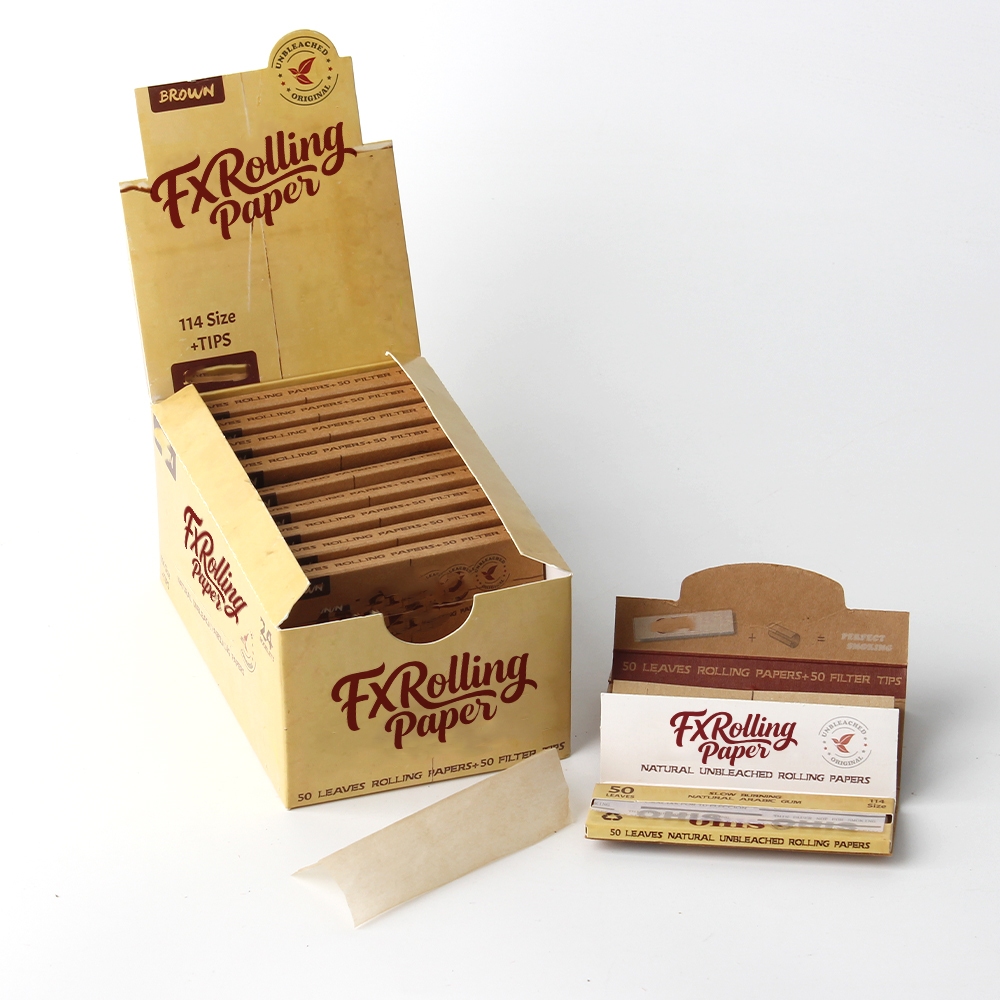
The decision to request a sample pack before placing orders reflects professional sourcing practice. A well-designed sample pack demonstrates a supplier's confidence in their product and their willingness to support your evaluation process. By conducting thorough quality testing on samples, you reduce the risk of discovering manufacturing defects, inconsistent specifications, or unsuitable materials only after receiving full production runs. This upfront investment in supplier evaluation pays dividends through fewer disruptions, better product outcomes, and stronger supplier relationships built on verified quality standards.
Supplier evaluation goes beyond reviewing certifications and comparing price quotes. When you receive a sample pack of custom tips, you gain direct insight into the supplier's manufacturing precision, material sourcing standards, and attention to detail. Each sample becomes evidence of what the supplier can consistently deliver. Examining the surface finish, dimensional accuracy, material flexibility, and overall construction quality reveals whether the supplier's process controls meet your requirements. This hands-on assessment also allows you to identify potential issues such as rough edges, inconsistent sizing, or material degradation that might not be apparent from digital catalogs or marketing materials.
When evaluating multiple potential suppliers, requesting sample packs from each candidate enables fair, standardized comparison. You can test custom tips from different sources under identical conditions, using the same evaluation criteria and quality metrics. This comparative approach prevents bias toward supplier marketing claims and instead grounds your decision on factual performance data. By organizing samples side-by-side, you can spot differences in material composition, manufacturing techniques, and finish quality that differentiate one supplier from another. The sample pack framework thus transforms supplier evaluation from a subjective process into a data-driven assessment.
Quality testing through a sample pack helps you establish what acceptable quality standards look like for custom tips within your specific application. Not all quality requirements are universal; your business may prioritize smoothness, durability, flexibility, or aesthetic consistency differently than other buyers. Testing samples allows you to define which quality attributes matter most to your customers and operations. You can measure dimensions with precision tools, test material properties under conditions similar to your production environment, and assess how samples perform during handling and storage. This testing phase clarifies your acceptance criteria before negotiating bulk orders, preventing disputes later over what constitutes acceptable product quality.
A robust sample pack typically contains multiple units, allowing you to assess manufacturing consistency across samples. When every piece in a sample pack meets your standards, you gain confidence that the supplier maintains tight process controls. Conversely, if samples show significant variation in dimensions, material properties, or finish quality, this signals potential batch-to-batch inconsistency that could create operational problems during high-volume production. Testing multiple samples from a single batch also reveals whether the supplier's quality control systems catch defects effectively or allow flawed products to reach customers. This consistency validation is impossible to achieve through catalog specification sheets alone.
Requesting a sample pack early in the supplier selection process signals your professionalism and seriousness as a buyer. Suppliers who provide samples willingly demonstrate transparency and confidence in their products, qualities that often correlate with reliable long-term partnerships. The sample exchange creates an opportunity for direct communication about your specific needs, application challenges, and quality expectations. Through this dialogue, both parties clarify requirements and identify potential customization opportunities. When suppliers see that you conduct rigorous quality testing before ordering, they understand that you will hold them accountable for performance, which incentivizes consistent manufacturing quality and responsive customer service throughout your ongoing relationship.
The cost of requesting samples from a few potential suppliers is minimal compared to the financial and operational impact of discovering quality problems after receiving a large production order. Defective custom tips can lead to production delays, customer complaints, brand damage, and expensive supply chain disruptions. By validating supplier quality through sample testing, you avoid these risks. The sample pack approach also provides documented evidence of product specifications and supplier capabilities, creating a baseline for future orders and dispute resolution. This risk mitigation strategy protects your business continuity and customer satisfaction while strengthening your negotiating position with suppliers who understand that quality verification precedes commitment.
Focus on dimensional consistency, material quality, surface finish, and flexibility. Check that all samples meet your specifications and that variations between samples are minimal. Assess how the tips feel during handling, whether edges are smooth, and whether materials show any discoloration or defects. Test custom tips in your actual production environment to ensure they perform as needed. Compare your findings against your documented quality standards to determine if the supplier meets your requirements.
A meaningful sample pack typically contains 50 to 200 units, depending on your application and testing protocols. This quantity allows for statistical variation assessment and destructive testing if needed, while remaining cost-effective for the supplier. Ensure the sample pack is large enough to reveal manufacturing consistency patterns but focused enough to enable practical evaluation. Discuss sample pack size with your supplier based on your specific quality testing needs and the complexity of your custom tips specifications.
Yes, sample testing provides documented evidence of supplier capabilities and quality performance that supports pricing negotiations. When you demonstrate through testing that a supplier consistently meets high quality standards, you have justification to request competitive pricing for long-term orders. Conversely, if sample testing reveals quality issues or inconsistencies, you can address these during negotiations before committing to bulk purchases. Quality validation through samples gives you concrete data to discuss pricing in the context of risk mitigation and performance guarantees, making negotiations more objective and productive.