EN
EN
why-sample-testing-matters-for-scented-custom-preroll-cones, why-sample-testing-matters-for-scented-custom-preroll-cones, /news
EN
2026/08/07
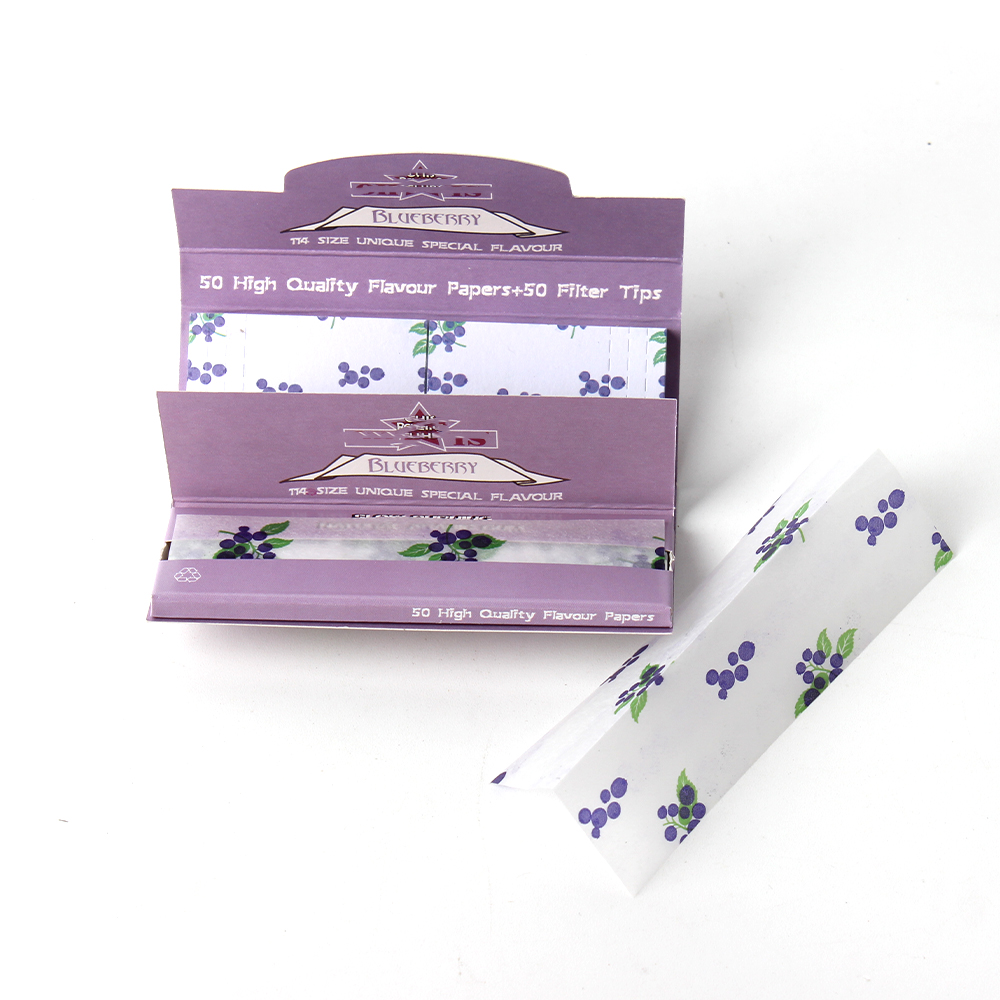
When launching a new product line of scented cones or custom cones, many manufacturers rush directly into full production without understanding the critical importance of sample testing. This oversight can lead to costly mistakes, brand damage, and customer dissatisfaction. Sample testing represents an essential quality gate that separates successful product launches from problematic ones in the specialty smoking accessories industry. The process ensures that your custom cones meet exact specifications, deliver consistent scent profiles, and align with customer expectations before you commit significant resources to mass production.
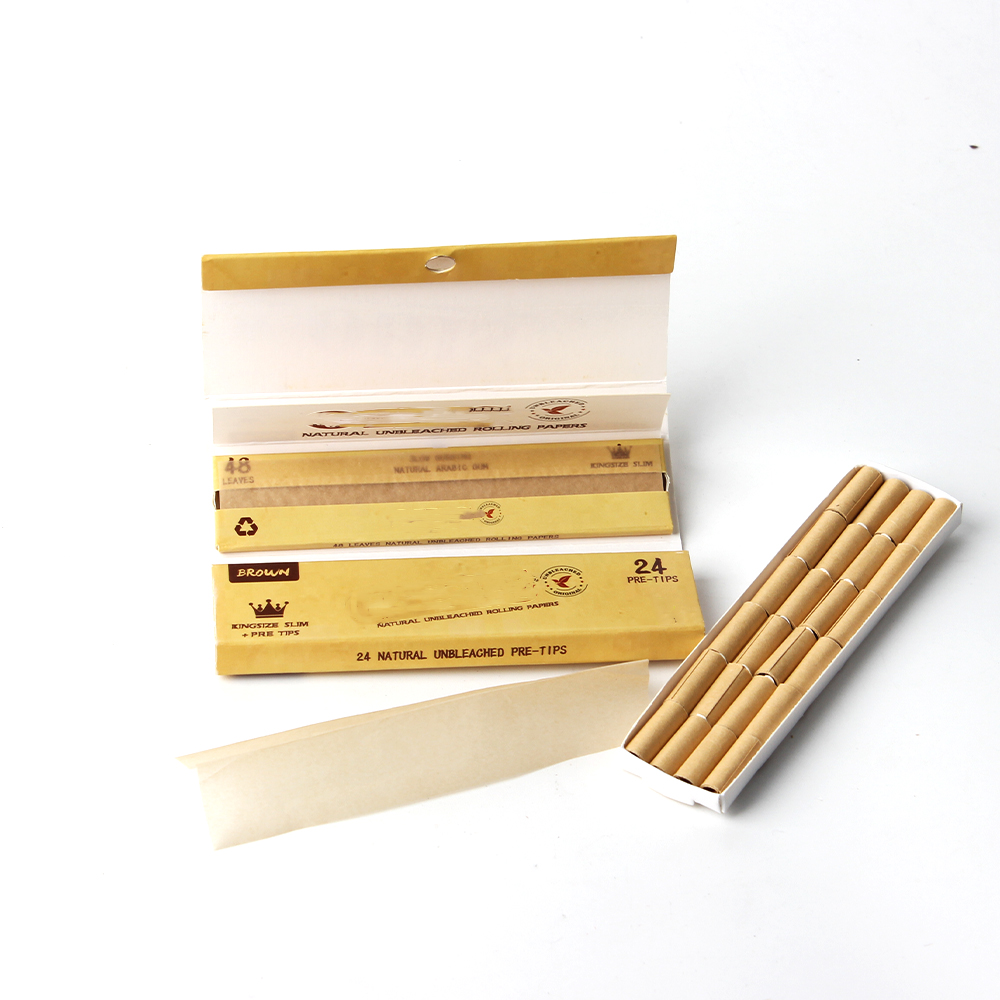
The real cost of skipping sample testing extends far beyond initial product development. When quality issues emerge after full production, you face inventory that cannot be sold, customer refunds, reputational harm, and the expense of reformulation or reprinting. Quality approval through structured sample testing mitigates these risks by catching problems early when adjustments remain affordable. For businesses working with pre rolled cones sample batches, establishing a robust testing protocol becomes a competitive advantage that builds customer trust and operational efficiency.
Sample testing serves as your primary defense against quality issues that could damage your business reputation and financial performance. Quality approval processes evaluate whether scented cones deliver the promised fragrance intensity, longevity, and consistency. Custom cones must be tested for burn characteristics, cone integrity, and compatibility with various materials. This systematic evaluation identifies deviations from specifications before they reach your customers. By implementing structured quality approval, manufacturers significantly reduce warranty claims, returns, and negative feedback that can undermine brand credibility in competitive markets.
A single production error affecting thousands of units represents an enormous financial and operational burden. Sample testing catches these errors at a manageable scale when solutions remain feasible. Whether the issue involves incorrect scent ratios in scented cones, printing misalignment on custom cones, or structural defects, early detection allows corrective action before full-scale manufacturing. The investment in proper sample testing typically costs a fraction of the expense associated with destroying defective inventory, managing customer complaints, or executing costly recalls.
Effective quality approval requires comprehensive evaluation across multiple dimensions. For scented cones, this includes assessing fragrance intensity, aroma clarity, scent longevity, and consistency across multiple samples. Custom cones must be evaluated for visual accuracy, print quality, color matching, and structural integrity. Physical testing should verify cone weight, diameter consistency, and burn characteristics. Sensory evaluation demands trained assessors who understand the target market's expectations and can identify subtle quality variations that might escape casual inspection. This multi-faceted approach ensures that scented cones and custom cones meet both functional and experiential standards.
Sample testing extends beyond individual unit evaluation to assess batch-to-batch consistency and manufacturing process validation. Multiple samples extracted from different positions within production batches reveal whether your manufacturing process maintains uniform quality throughout each run. This consistency verification is particularly critical for scented cones, where variations in scent formulation or application can create noticeable differences in customer experience. Custom cones benefit from process validation that ensures printing equipment, material sourcing, and assembly procedures remain stable across production cycles. Establishing clear pass-fail criteria for batch consistency prevents situations where later production runs fail to meet the standards established by initial samples.
Strategic implementation begins with determining when and how often sample testing should occur throughout your production cycle. Initial sample testing must happen before full production launch, typically involving multiple iterations as you refine formulations and specifications for scented cones and custom cones. Ongoing quality approval should continue at intervals throughout production, with sample testing frequency calibrated to your production volume, supply chain stability, and historical quality performance. High-volume manufacturers typically implement continuous sampling protocols, while smaller operations might focus sample testing on critical transition points or whenever suppliers, materials, or processes change. This strategic approach ensures consistent quality approval without creating unnecessary operational burden.
Comprehensive documentation of sample testing results creates the foundation for continuous improvement and accountability in your quality approval process. Records should capture what was tested, evaluation criteria, results, any deviations discovered, and corrective actions implemented. This documentation becomes invaluable when investigating customer complaints, negotiating with suppliers about quality issues, or training new team members on quality standards. Over time, documented sample testing data reveals trends in specific quality dimensions, enabling preventive adjustments before problems emerge. Businesses that treat sample testing as an ongoing learning process continuously refine their scented cones and custom cones formulations, achieving incremental improvements that compound into significant competitive advantages.
Sample testing adds time to initial product development but eliminates far greater delays caused by mid-production quality discoveries or customer rejection of finished inventory. Quality approval processes typically require one to two weeks during product development, whereas manufacturing problems discovered after production launch can delay shipments by months. The upfront investment in sample testing actually accelerates time-to-market by preventing costly rework cycles. For scented cones and custom cones, the testing period allows refinement of formulations and specifications while production equipment remains available for quick scaling once quality approval is achieved.
Sample testing budgets vary based on product complexity, production volume, and supply chain configuration, but typically represent two to five percent of total product development costs. This allocation covers materials for sample batches, evaluation resources, documentation, and potential reformulation iterations. For custom cones involving multiple design variations or scented cones requiring fragrance optimization, budgets may be higher due to the complexity of variables requiring quality approval. This investment typically generates return through prevented production errors, reduced warranty costs, and enhanced customer satisfaction that directly influences repeat business and brand reputation.
Scaling sample testing for growing production involves transitioning from manual evaluation to integrated quality approval systems that maintain testing frequency and rigor while reducing per-unit cost. Automated testing equipment can evaluate scented cones for scent consistency and custom cones for print accuracy with greater speed and objectivity than manual methods. Establishing relationships with certified testing laboratories enables outsourced quality approval for complex evaluations while keeping your internal resources focused on process oversight. As production volumes increase, the proportional cost of sample testing typically decreases, making comprehensive quality approval increasingly economical and allowing investment in more sophisticated testing technologies.