EN
EN
why-supplier-communication-matters-in-custom-preroll-cone-projects, why-supplier-communication-matters-in-custom-preroll-cone-projects, /news
EN
2026/09/02
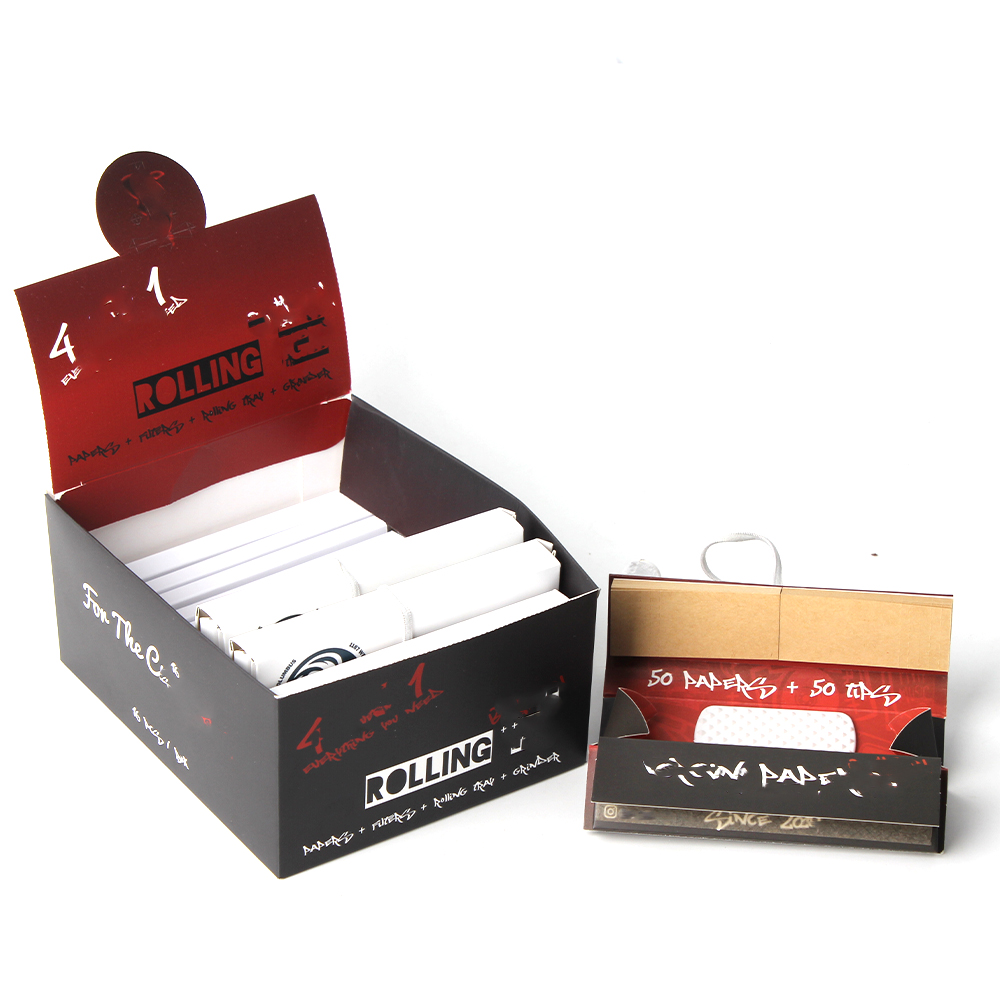
In the custom pre-roll cone manufacturing landscape, the relationship between your business and your pre rolled cones supplier often determines project success or failure. Many companies underestimate the critical role that supplier communication plays in delivering custom projects on time, within budget, and to exact specifications. When working with a pre rolled cones supplier on OEM cones or bespoke formulations, poor communication can lead to costly delays, material waste, specification misalignment, and damaged business relationships. Conversely, robust supplier communication creates transparency, enables rapid problem-solving, and ensures every detail of your custom project aligns with your vision from inception through final delivery.
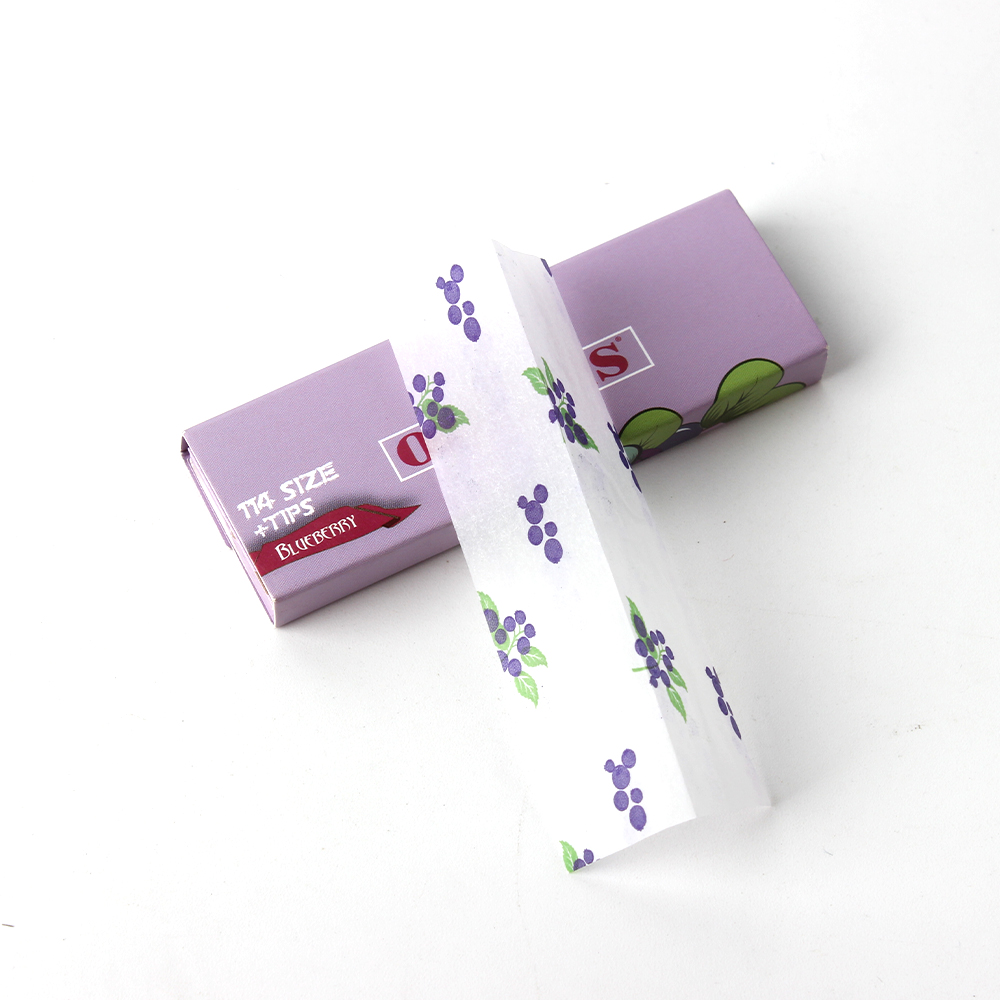
The stakes are particularly high when you are investing in custom projects rather than off-the-shelf inventory. A pre rolled cones supplier partnership requires clear expectation-setting, real-time feedback loops, and documented specification control. This article explores why supplier communication is not merely a logistical convenience but a strategic necessity for anyone managing OEM cones or complex custom projects in this industry.
Every custom project begins with specifications. Your pre rolled cones supplier cannot deliver exactly what you need unless those specifications are crystal clear. Ambiguous material composition, vague tolerance ranges, unclear finish requirements, or incomplete packaging instructions create room for misinterpretation. Effective supplier communication means documenting every requirement upfront: cone dimensions, paper weight, adhesive type, filter material, water resistance levels, and packaging format. When you establish OEM cones specifications in writing and review them with your supplier before any tooling or production setup occurs, you eliminate the most common source of project failure.
Supplier communication thrives when both parties share a common technical vocabulary. Industry terminology for pre-rolled cone specifications can vary across suppliers, regions, and manufacturing traditions. A custom project requires that you and your supplier agree on what terms mean: what constitutes 'cone diameter,' how 'finish quality' is measured, what 'water resistance' implies for your end-use. Documenting these definitions in a specification control document ensures that when your supplier references a particular standard or measurement, you both understand it identically. This alignment prevents the costly discovery mid-production that 'light tan' and 'natural' were interpreted as different colors.
Most production delays stem not from incapable suppliers but from communication breakdowns. If your pre rolled cones supplier encounters a material supply issue, equipment limitation, or regulatory change, you deserve to know immediately, not after your delivery date has been missed. Strong supplier communication establishes a protocol for escalation: the supplier proactively notifies you of any risk that could impact timeline or quality. For custom projects and OEM cones, this early warning system is invaluable. You can pivot to alternative materials, adjust your launch schedule, or work collaboratively on a realistic revised timeline rather than discovering the problem when it becomes a crisis.
In custom manufacturing, unexpected issues are nearly inevitable. A batch of paper arrives with slightly different porosity. A filter material is temporarily unavailable. A prototype sample reveals that your desired specification is technically challenging at scale. When supplier communication is strong, these obstacles become solvable problems rather than project killers. Your pre rolled cones supplier can explain the challenge clearly, propose feasible alternatives, and involve you in real-time decision-making. Without this dialogue, your supplier might make unilateral decisions that do not align with your business priorities, or worse, proceed silently and deliver a product that does not meet your needs.
Supplier communication does not end once production starts. For custom projects involving OEM cones, quality assurance relies on regular checkpoints where samples, test results, and production updates are reviewed collaboratively. Your pre rolled cones supplier should provide pre-production samples for your approval, mid-production reports on batch conformance, and final quality documentation before shipping. This iterative feedback loop ensures that if any deviation from specification control criteria emerges, it is caught early enough to correct without scrapping entire batches or delaying delivery. When supplier communication includes clear quality protocols, you maintain confidence that your custom project will meet your exact standards.
Professional supplier communication requires documentation. Every specification revision, every quality approval, every material substitution, and every delivery variance should be recorded in writing. This documentation serves multiple purposes: it protects both parties legally, it ensures traceability if a compliance or quality issue arises later, and it creates an institutional memory for future projects. When your pre rolled cones supplier maintains clear records of your custom project specifications and production decisions, you have evidence that the supplier performed as contracted and that any deviations were approved or necessary. For regulated industries or high-stakes OEM cones applications, this documentation is not optional—it is essential.
Supplier communication that is consistent, honest, and solution-focused builds trust over time. When your pre rolled cones supplier communicates openly about capabilities, limitations, and challenges, and when you respond constructively and appreciate the supplier's transparency, a partnership emerges. For custom projects and ongoing OEM cones production, this trust is invaluable. You can discuss ambitious specifications knowing the supplier will give you an honest assessment rather than overselling capacity. The supplier can invest in understanding your business deeply because you have demonstrated that reliability and quality matter more than finding the cheapest alternative.
Strong supplier communication creates a feedback loop that benefits both parties. When you share end-user feedback, market performance data, or customer complaints related to your custom project, your pre rolled cones supplier gains insight into how their work translates to real-world outcomes. Conversely, when your supplier shares emerging material innovations, efficiency improvements, or cost-saving opportunities, you can evaluate whether they align with your roadmap. This collaborative approach turns supplier communication from a compliance exercise into a driver of innovation. OEM cones and custom projects evolve faster when supplier and customer co-develop solutions.
The specification control document should detail cone dimensions, paper composition and weight, adhesive type, filter material and specifications, surface finish requirements, moisture and water resistance standards, packaging format and quantity per unit, labeling or branding requirements, delivery timeline, quality acceptance criteria, and any regulatory or compliance requirements. Include visual references, tolerance ranges, and comparison samples if available. This comprehensive OEM cones specification ensures that supplier communication about your custom project starts from the same baseline.
Communication frequency depends on project complexity and timeline. For most custom projects, begin with weekly or bi-weekly updates during the planning and tooling phase, increase to twice-weekly during early production runs, and transition to milestone-based check-ins as confidence grows. For urgent OEM cones orders or high-risk specifications, daily communication during critical phases is reasonable. Establish a clear communication schedule upfront with your supplier so both parties can plan accordingly. Consistent supplier communication prevents surprises and enables rapid problem-solving.
This is precisely why supplier communication matters most. Your pre rolled cones supplier should raise this concern immediately with technical details: which specification aspect is challenging, why, and what alternatives exist. You can then decide to adjust the specification within acceptable ranges, approve a slight variance with documented justification, switch suppliers, or explore workarounds. The key is that this conversation happens early in the custom project, not after production has begun. Transparent supplier communication about specification control limitations protects both parties and prevents costly failures on OEM cones or other custom work.