EN
EN

why-ultrathin-paper-can-matter-in-preroll-cone-performance, why-ultrathin-paper-can-matter-in-preroll-cone-performance, /news
EN
2026/09/25
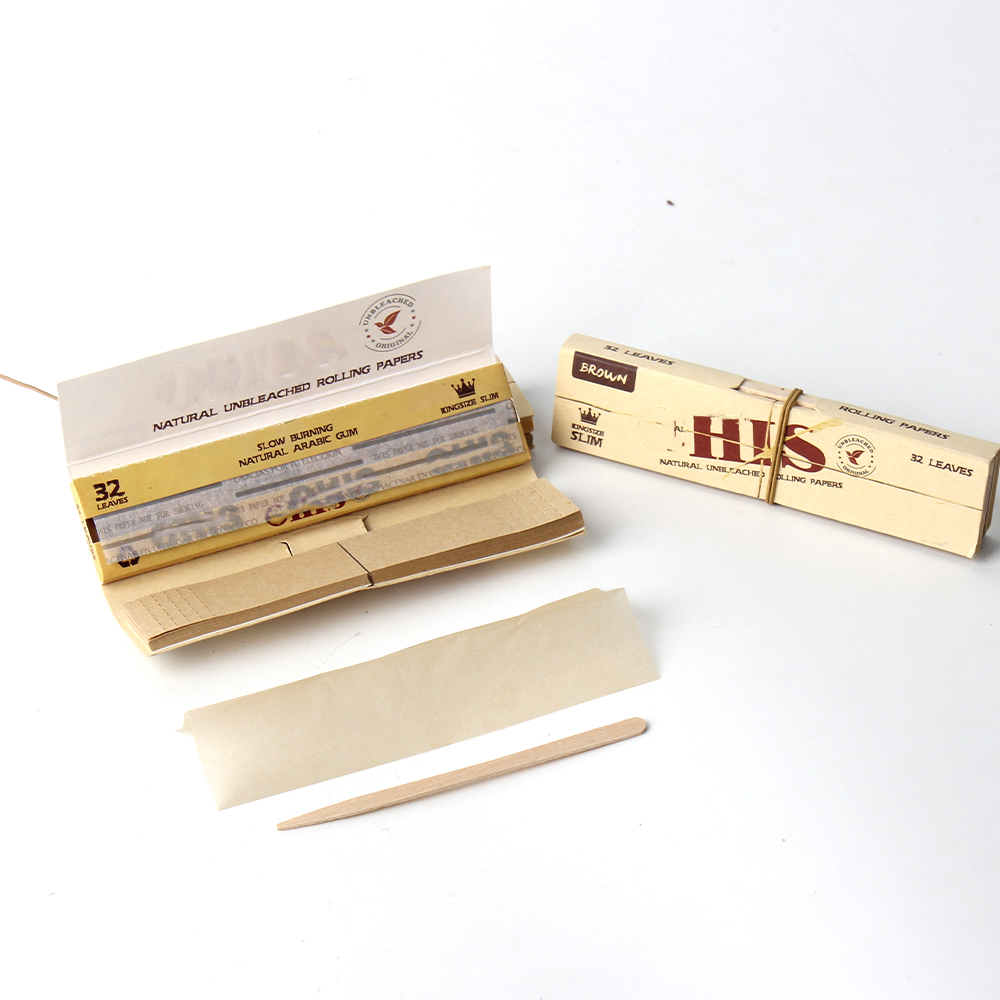
The quality of smoking experience hinges on factors many consumers overlook, yet material composition remains fundamental to pre roll cones performance. While flavor profiles and strain selection dominate casual conversations, the physical properties of cone paper directly influence how smoothly a session unfolds. Ultra thin paper represents a critical innovation in cone manufacturing, addressing long-standing challenges related to airflow, burning consistency, and overall satisfaction. Understanding why ultra thin paper matters reveals the engineering behind truly premium pre roll cones.

Material quality in cone paper manufacturing determines whether consumers experience consistent slow burn characteristics or frustrating inconsistencies. Thinner cone paper allows enhanced oxygen circulation, promoting even combustion without requiring constant relighting or uneven burning that wastes product. The relationship between ultra thin paper thickness and performance metrics extends beyond user convenience, touching on product integrity, regulatory compliance, and market competitiveness. Premium manufacturers recognize that cone paper specifications influence consumer perception and repeat purchase behavior significantly.
Ultra thin paper fundamentally transforms how oxygen flows through the rolling structure during combustion. Traditional thicker papers restrict airflow patterns, creating uneven burn profiles where certain sections ignite faster than others. When cone paper reaches optimal thinness without compromising structural integrity, air naturally circulates around the burning material at consistent rates. This balanced airflow enables slow burn characteristics that users seek, extending consumption time and improving satisfaction levels across sessions. The science involves precise calibration, as cone paper that proves too thin becomes fragile, while excessive thickness reintroduces the airflow restriction problems ultra thin paper was designed to solve.
Material quality specifications ensure that ultra thin paper maintains uniform thickness throughout production runs. Manufacturing facilities implementing rigorous quality control measure cone paper at multiple points across each sheet, rejecting batches where deviation exceeds acceptable tolerances. Consistent material quality means every pre roll cones unit performs predictably, eliminating the frustration of purchasing products with unpredictable slow burn performance. Advanced suppliers invest in precision equipment that maintains micron-level accuracy, treating cone paper calibration as a competitive differentiator. When consumers purchase premium pre roll cones featuring ultra thin paper, they purchase reliability and predictable performance.
Cone paper manufacturing requires selecting base materials that balance multiple competing demands simultaneously. Premium cone paper derives from responsibly sourced wood fibers processed to remove impurities without compromising structural properties. The ultra thin paper construction maintains tensile strength despite reduced thickness, typically achieved through specialized fiber arrangements and binding agents. This technical balance determines whether ultra thin paper serves its intended purpose or degrades during rolling, packing, or shipping. Material quality encompasses not merely weight or thickness but also factors like ash residue, moisture content, and burn rate consistency that directly influence user experience with pre roll cones.
Leading manufacturers subject cone paper batches to comprehensive testing before market release. Slow burn assessment involves controlled combustion experiments where ultra thin paper performance gets measured against industry benchmarks and competitive products. Material quality certification includes resistance testing, flexibility evaluation, and contamination screening that verify cone paper meets or exceeds specifications. These protocols protect consumer safety while ensuring consistent slow burn characteristics that define quality pre roll cones. Third-party laboratories increasingly verify ultra thin paper claims, lending credibility to manufacturers willing to undergo independent scrutiny.
Consumers purchasing pre roll cones manufactured with ultra thin paper report notably improved experience metrics compared to conventional alternatives. The slow burn quality becomes immediately apparent during use, as even combustion eliminates the need for constant adjustment or relighting frustration. Ultra thin paper allows natural flavor profiles to emerge more clearly, as reduced paper consumption during smoking means fewer burn byproducts obscure taste characteristics. Sessions feel smoother and more controlled, with predictable performance that justifies premium pricing strategies for quality-focused manufacturers. These tangible benefits translate into customer loyalty and positive word-of-mouth marketing that reinforces brand reputation.
Producers who successfully integrate ultra thin paper into cone manufacturing achieve competitive advantages extending beyond product quality alone. Efficient material utilization means more pre roll cones output from equivalent raw material quantities, improving profit margins and sustainability metrics simultaneously. The market increasingly recognizes ultra thin paper as a quality indicator, with consumers actively seeking cone paper specifications when evaluating purchase decisions. Material quality reputation becomes a retention driver, as users experiencing superior slow burn performance from ultra thin paper naturally gravitate toward the same producer for repeat purchases. This quality positioning supports premium pricing strategies while building long-term brand equity.
Ultra thin paper for pre roll cones typically ranges between 0.03 to 0.04 millimeters, balancing structural integrity with optimal airflow characteristics. Industry standards specify that cone paper must maintain measurable slow burn properties within this thickness range, though exact specifications vary by manufacturer. Premium producers publish detailed cone paper specifications, allowing informed consumers to verify ultra thin paper claims before purchasing. Material quality assurance requires that ultra thin paper thickness remain consistent throughout production batches, preventing performance variability that undermines user satisfaction.
Ultra thin paper directly influences slow burn speed by reducing combustion resistance and enabling more consistent oxygen flow throughout the pre roll cones structure. Thinner cone paper allows steady, even burning without uneven hotspots or acceleration patterns that characterize inferior products. The slow burn improvement typically extends session duration by fifteen to thirty percent compared to standard thickness cone paper. Material quality directly correlates with slow burn predictability, as manufacturing variations in ultra thin paper thickness cause corresponding variations in burn rate consistency.
Well-manufactured ultra thin paper maintains adequate structural integrity through advanced fiber processing and binding agent formulation that prevent degradation during handling or smoking. Material quality standards ensure cone paper remains strong enough to withstand packing, shipping, and consumer use without tearing or leaking. Premium manufacturers invest substantially in quality control systems that verify ultra thin paper durability metrics before market release, protecting both consumer satisfaction and brand reputation. However, extremely thin cone paper below industry standards may compromise integrity, highlighting why material quality specifications and manufacturing oversight prove essential.