EN
EN

why-unbleached-rolling-papers-burn-slower-than-bleached-alternatives, why-unbleached-rolling-papers-burn-slower-than-bleached-alternatives, /news
EN
2026/08/18
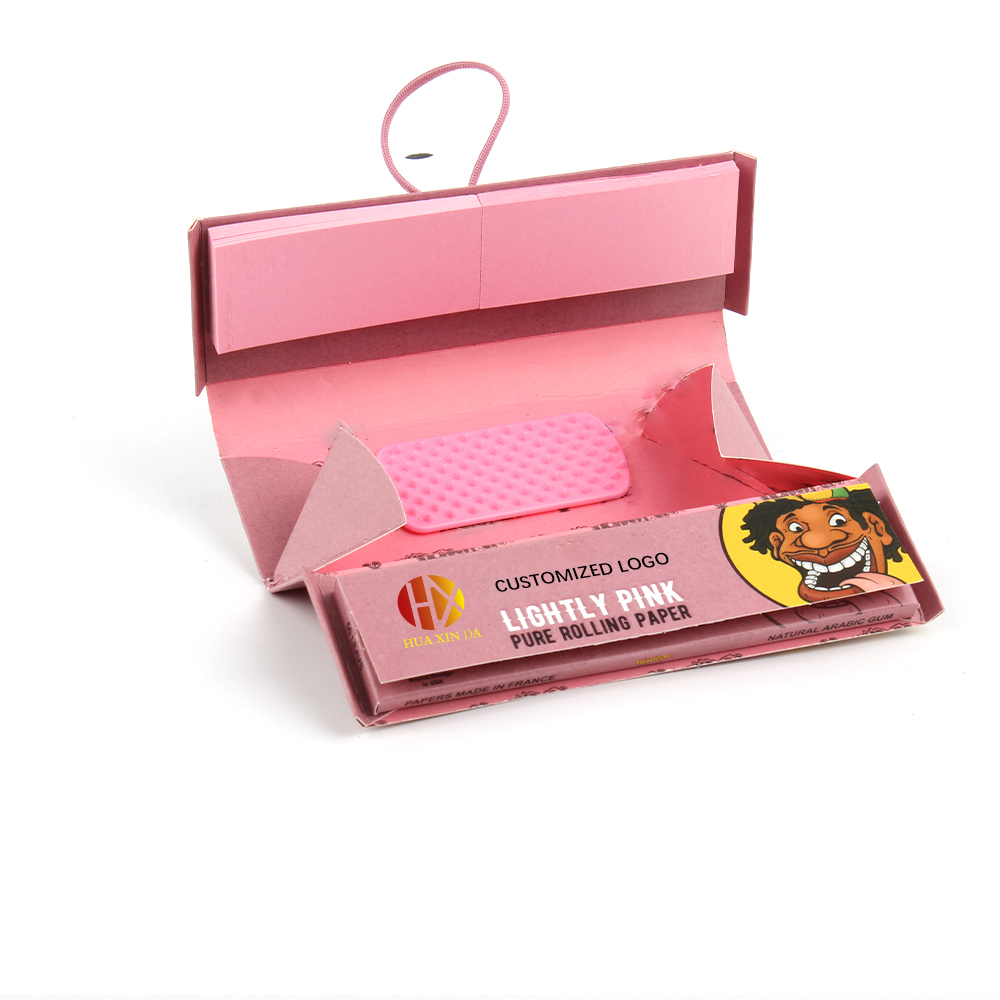
Unbleached rolling papers have become increasingly popular among smokers seeking a more natural and healthier alternative to conventional options. The primary reason unbleached rolling papers burn slower than bleached alternatives lies in their chemical composition and manufacturing process. Unlike bleached papers treated with chlorine and other whitening agents, unbleached rolling papers retain their natural fibers and organic properties, which directly influence combustion rates. Understanding this difference can help consumers make informed decisions about their smoking preferences and overall experience.
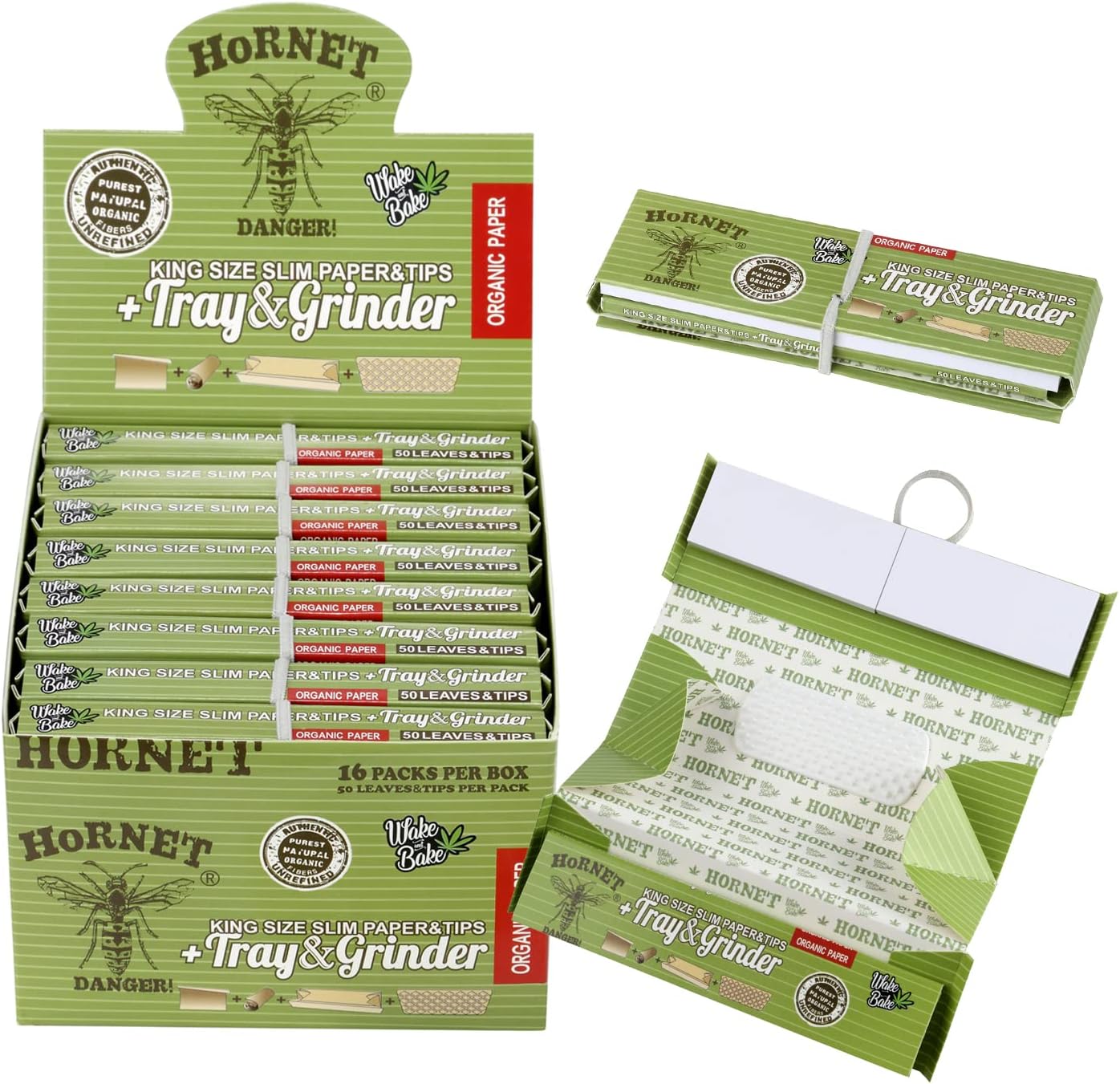
The distinction between bleached and unbleached papers extends beyond appearance. Unbleached rolling papers are manufactured from natural fibers that have not undergone harsh chemical processing. This preservation of natural cellulose structure means the papers maintain a denser composition, allowing them to burn at a slower, more controlled rate. The result is a longer-lasting smoking session with improved flavor retention and a cleaner overall experience. For consumers prioritizing sustainability and health-conscious choices, chemical free paper options represent a meaningful shift in how rolling papers are produced and consumed.
Bleached rolling papers undergo treatment with chlorine dioxide and other whitening chemicals to achieve their bright white appearance. These bleaching compounds alter the paper's molecular structure, reducing fiber density and creating a more porous material. The increased porosity causes bleached papers to burn faster because oxygen penetrates the paper more readily during combustion. Additionally, residual chemical compounds in bleached papers can influence how the paper burns, affecting both burn rate and the overall smoking experience.
The chemical processing required to bleach rolling papers also weakens the natural binding properties of cellulose fibers. This weakening makes bleached papers more susceptible to rapid oxygen exposure, which accelerates combustion. Natural brown paper, by contrast, maintains its inherent structural integrity because it avoids harsh chemical intervention. The fibers in unbleached rolling papers remain more tightly bound, creating a cohesive paper structure that resists rapid burning and extends the smoking duration.
Unbleached rolling papers are produced from plant fibers that have undergone minimal processing beyond mechanical separation and drying. Common fiber sources include flax, hemp, and recycled cellulose derived from sustainable forestry practices. These organic rolling paper materials retain their natural lignin content, a polymer that strengthens fiber bonds and provides structural resilience. The presence of lignin in unbleached papers contributes directly to their slower burn characteristics, as the enhanced fiber strength requires more oxygen to sustain combustion.
The natural brown color of unbleached rolling papers comes from the inherent pigments present in plant fibers. Unlike bleached alternatives, unbleached rolling papers do not require color modification, which means the paper structure remains undisturbed by chemical processes. This preservation of natural fiber architecture ensures consistent density throughout the paper, which directly translates to predictable and slower burn rates that smokers appreciate and rely upon.
The burn rate of any paper is fundamentally determined by its fiber density and oxygen permeability. Papers with higher fiber density burn more slowly because they present greater physical resistance to the combustion process. Chemical free paper options inherently possess higher fiber density due to their minimal processing approach, which preserves the natural compaction of plant fibers. When these densely packed fibers are exposed to heat, combustion proceeds more gradually because oxygen must work harder to penetrate the paper structure and sustain the burning reaction.
Bleached papers, weakened by chemical processing, allow oxygen to diffuse more easily throughout their porous structure. This increased oxygen availability accelerates the combustion reaction exponentially, causing bleached papers to burn significantly faster than their unbleached counterparts. Smokers who prefer extended sessions and slower, more controlled burns consistently report superior performance from natural brown paper products. The physical science supporting this observation is straightforward: denser materials inherently resist rapid oxidation better than porous materials do.
Unbleached rolling papers produce a slower, cooler burn compared to bleached alternatives, which is attributable to both fiber density and chemical composition. The slower burn rate means the paper maintains lower temperatures during combustion, reducing the risk of overheating and uneven burning patterns that plague faster-burning papers. Organic rolling paper products also tend to leave cleaner ash residue because their natural fibers combust more completely and uniformly. This complete combustion is a direct benefit of avoiding chemical additives that can create problematic residue when exposed to heat.
The cooling effect of slower burning with unbleached papers also reduces harshness on the throat and lungs, making them a more comfortable choice for extended smoking sessions. Chemical free paper formulations support this comfort factor by eliminating potential irritants introduced during bleaching and whitening processes. Users consistently report that natural brown paper delivers a smoother, more enjoyable experience, which partly results from the lower combustion temperatures and cleaner burning characteristics inherent to unbleached materials.
One of the most tangible benefits of choosing unbleached rolling papers is the extended duration of smoking sessions. Because these papers burn more slowly, users get more smoking time from the same amount of material compared to bleached alternatives. This practical advantage translates directly to better value and a more satisfying experience. Additionally, the slower burn rate allows flavors to develop more completely, as the material is exposed to heat over a longer duration in a more controlled manner, maximizing taste and aroma appreciation.
Flavor preservation is enhanced further by the absence of bleaching chemicals that can impart unwanted tastes to the smoking material. Organic rolling paper products deliver cleaner flavor profiles because they do not introduce chemical compounds that might interfere with or mask the natural taste of the smoking material. Consumers seeking authentic flavor experiences consistently prefer natural brown paper for this reason, as it allows the true characteristics of their material to shine through without chemical interference.
Choosing unbleached rolling papers reflects a commitment to health-conscious consumption practices. Chemical free paper options eliminate exposure to chlorine dioxide and other bleaching agents, reducing the overall chemical intake associated with smoking. While smoking itself carries inherent health considerations, opting for unbleached alternatives represents a meaningful step toward minimizing unnecessary chemical exposure from paper processing. This choice aligns with broader wellness trends where consumers actively seek ways to reduce their interaction with industrial chemicals in daily life.
Sustainability considerations further support the choice of unbleached rolling papers. Natural brown paper manufacturing typically involves fewer processing steps, lower energy consumption, and reduced chemical waste compared to bleached paper production. Many unbleached papers are produced from sustainably harvested fibers or recycled materials, making them an environmentally responsible choice. Consumers who prioritize ecological impact find that unbleached rolling papers align with their values while simultaneously delivering superior smoking characteristics and performance benefits.
Unbleached rolling papers burn slower because their natural fibers retain higher density and structural integrity compared to chemically bleached papers. The absence of bleaching agents means the paper does not undergo the porosity-increasing chemical treatments that accelerate combustion. Natural fibers maintain tighter molecular bonds, requiring more oxygen and time for complete burning, which results in the characteristically slower burn rate that makes unbleached rolling papers popular.
Yes, many users report a noticeable difference in taste, with chemical free paper options delivering cleaner, more authentic flavor profiles. Bleached papers can leave subtle chemical tastes that some smokers find objectionable or distracting. Organic rolling paper products preserve the natural flavor of smoking material without chemical interference, making taste differences particularly apparent to experienced users who appreciate nuanced flavor characteristics in their smoking sessions.
Unbleached rolling papers are generally more environmentally friendly because they require less chemical processing and energy-intensive manufacturing compared to bleached alternatives. Natural brown paper production generates fewer chemical byproducts and waste streams, reducing environmental impact. Many unbleached papers are made from sustainably sourced or recycled fibers, further enhancing their ecological credentials and making them the preferred choice for environmentally conscious consumers.