EN
EN

why-wshaped-filter-geometry-matters-for-consistent-draw, why-wshaped-filter-geometry-matters-for-consistent-draw, /news
EN
2026/08/11
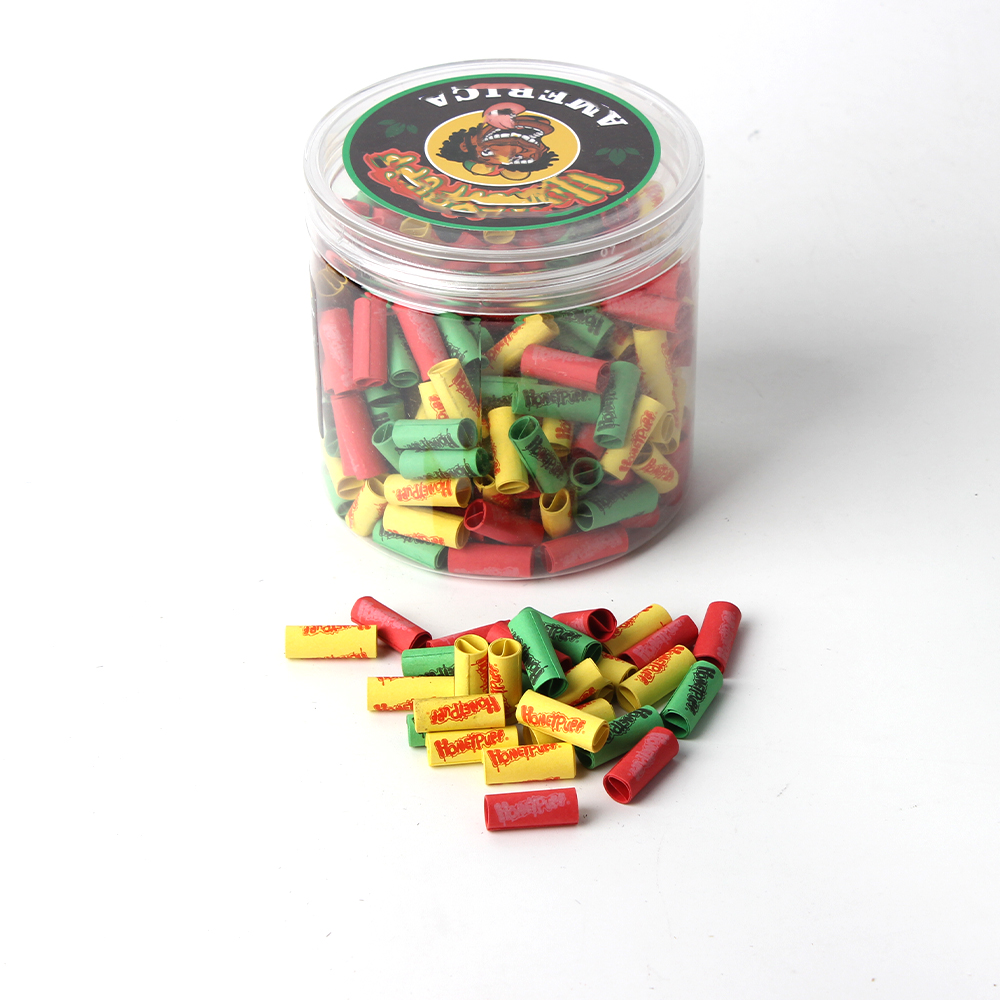
The performance of pre-roll cones with filter tips depends significantly on internal design choices that most consumers never consider. Among the most critical is the shape and structure of the filter geometry itself. A W shaped filter geometry represents a sophisticated engineering approach that directly influences draw resistance, burn consistency, and overall user experience. Understanding why this specific design matters reveals the difference between commoditized rolling products and truly optimized premium options that deliver reliable performance every single time.
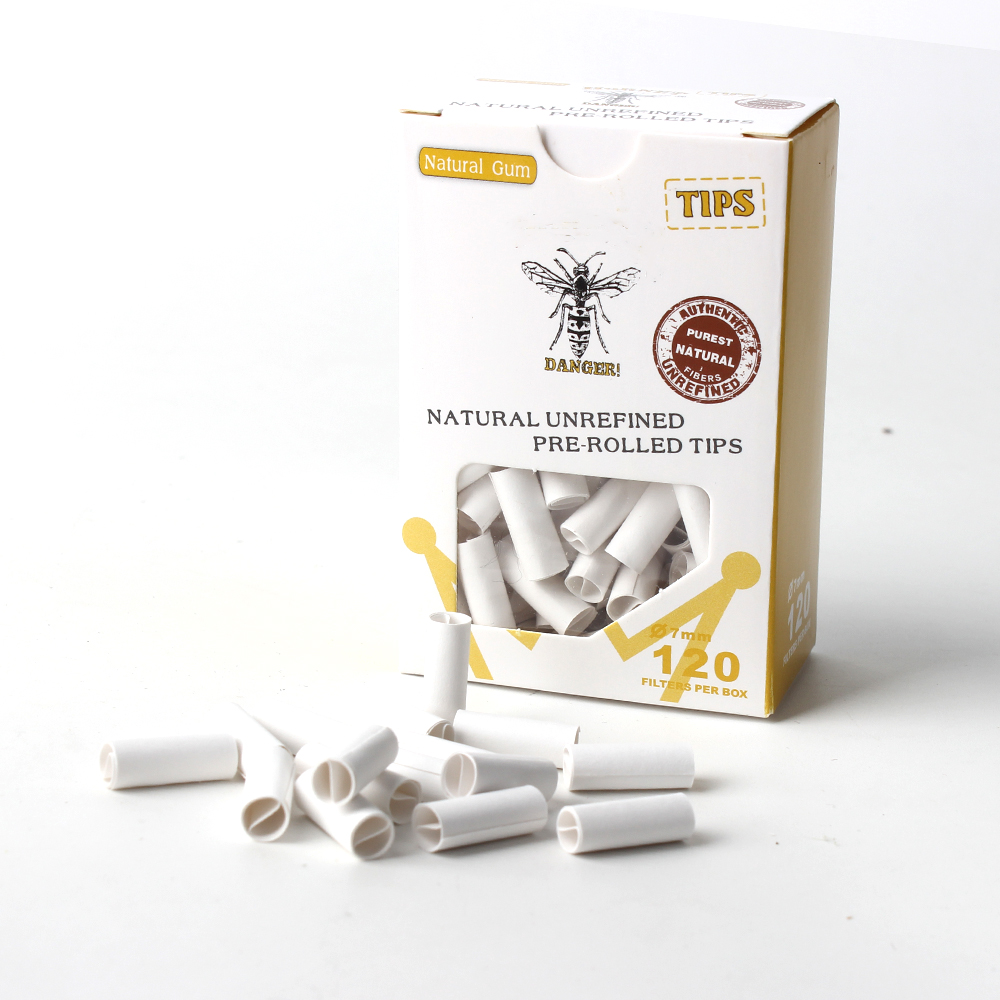
Pre-roll cones with filter tips have evolved from simple cardboard tubes into precision-engineered products where cone quality is non-negotiable. The filter section at the base of these cones performs multiple functions simultaneously: it prevents material from entering the mouth, distributes airflow evenly, and maintains structural integrity throughout use. The geometry of this filter directly determines whether airflow consistency remains stable from the first draw to the last, or whether resistance fluctuates unpredictably. Premium manufacturers recognize that filter geometry is not an afterthought but a fundamental design specification that separates high-performance products from those that merely function adequately.
The W shaped filter represents an intentional three-dimensional structure rather than a flat or circular cross-section. This geometry consists of ridges and valleys that create multiple pathways for air to travel through the filter material. When material is packed into pre-roll cones with filter tips featuring this design, the W shaped filter prevents excessive compression while maintaining dimensional stability. The ridged structure creates natural channels that resist clogging and uneven packing, which are common problems with simpler filter designs. Cone quality manufacturers choose this geometry because it addresses the fundamental physics of fluid dynamics within a confined space.
The ridged W shaped filter provides mechanical support that prevents the cone walls from collapsing inward during storage or use. This is particularly important for cones that will be transported or handled repeatedly. Without proper filter geometry support, cone quality suffers as the filter deteriorates or deforms, compromising the entire product. The valleys in a W shaped filter act as stress distribution points that absorb pressure from packed material without transmitting it directly to the filter material itself. This engineering approach ensures that pre-roll cones with filter tips maintain their intended structure throughout their entire lifespan.
Consistent airflow is the primary factor that determines draw quality in any smoking product. When airflow consistency varies significantly during use, the experience becomes unpredictable and frustrating. A W shaped filter geometry maintains consistent resistance by distributing air evenly across the entire cross-section of the filter material. This is fundamentally different from flat or poorly designed filters that create zones of high and low resistance. Pre-roll cones with filter tips engineered with proper filter geometry deliver uniform airflow from the first draw through to completion, which is the hallmark of premium cone quality. Users immediately notice the difference between products that prioritize airflow consistency and those that do not.
Channeling occurs when packed material develops uneven density zones that create pathways of excessive airflow. A poorly designed filter geometry accelerates this problem because the filter itself may have weak points where air preferentially flows. The W shaped filter combats channeling by creating uniform resistance across all potential airflow paths. This forces air to distribute evenly through the material rather than finding easier routes. Cone quality is directly measurable by how well the product resists channeling over time. Manufacturers who invest in proper filter geometry understand that this feature is essential for delivering consistent performance that users can rely on.
Creating a true W shaped filter requires manufacturing precision that distinguishes premium producers from basic manufacturers. The ridges must be uniformly spaced and consistently deep to provide equal support and airflow distribution across all sections. Cone quality control processes verify that each filter geometry meets exact specifications before cones are packaged and shipped. Variations in ridge depth or spacing directly affect performance, so quality manufacturers measure these parameters continuously. Pre-roll cones with filter tips that meet strict manufacturing standards perform predictably and reliably, while those produced without such controls vary significantly unit to unit.
The longevity of a pre-roll cone depends on how well its filter geometry withstands mechanical stress and material degradation. A well-engineered W shaped filter maintains its structural properties even as the cone is used repeatedly or stored over extended periods. Inferior filter geometries deteriorate quickly, losing their rigidity and allowing the cone to deform. Cone quality assurance programs specifically test how filter geometry performs under stress, evaluating ridge integrity, material flexibility, and resistance to material leakage. Products that pass these rigorous tests demonstrate that filter geometry was engineered thoughtfully rather than adopted arbitrarily. Users who invest in premium pre-roll cones with filter tips benefit from filters designed to perform consistently throughout the entire product lifespan.
Users can assess cone quality by observing several key performance indicators that directly relate to filter geometry. A consistent, smooth draw throughout the entire cone indicates that airflow consistency was maintained by the filter design. The absence of sudden resistance increases or decreases suggests that the W shaped filter is functioning as intended. Pre-roll cones with filter tips should feel stable in hand, not collapsing or deforming under gentle pressure. These observable qualities all trace back to the underlying filter geometry and the manufacturing precision applied during production. When consumers experience these positive characteristics, they are directly benefiting from sophisticated design decisions made during the product development phase.
Not all pre-roll cones use identical filter geometry, and these differences produce measurable variations in user experience. Simple flat-bottomed filters offer minimal resistance but create unpredictable airflow patterns. Circular hole designs are inexpensive to produce but provide poor airflow consistency. The W shaped filter represents a middle ground that balances ease of manufacturing with superior performance characteristics. Cone quality truly matters when comparing these alternatives because consumers quickly notice which design delivers the most enjoyable and reliable experience. Products engineered with intentional filter geometry outperform those treated as commodity items where cost reduction is prioritized over user satisfaction.
The W shaped filter distributes airflow evenly across the entire cross-section, maintaining airflow consistency and preventing channeling. This geometry creates natural pathways for air without creating weak zones where air preferentially flows. Pre-roll cones with filter tips using W shaped filters deliver more predictable draw quality compared to flat or circular designs because the ridged structure resists clogging while maintaining structural support.
Filter geometry is central to cone quality because it determines airflow consistency, structural integrity, and durability. Cone quality manufacturers recognize that filter geometry directly impacts how predictably the product performs over time. A well-engineered W shaped filter prevents deterioration, resists deformation, and maintains its design specifications even after extended use, ensuring that pre-roll cones with filter tips perform reliably from the first use onward.
W shaped filters are visible if you look at the cone's opening or cross-section, where you will see ridges and valleys rather than a flat or smooth surface. Quality pre-roll cones with filter tips often display this distinctive pattern that creates the W shaped geometry. While not all manufacturers clearly advertise their filter design, examining the actual cone can reveal whether sophisticated filter geometry was employed, which is a reliable indicator of overall cone quality.