In the rapidly maturing rolling paper of the United States and Canada, the concept of "retail" has undergone a radical transformation. As legalization spreads, dispensaries in urban hubs like Los Angeles, Denver, and Vancouver are shifting away from traditional transactional models toward high-end, boutique "lifestyle" experiences. However, a common challenge persists: how does a brand maintain its presence once the customer leaves the physical store?
This detailed case study analyzes a real-world application of custom-made rolling paper as a strategic branding tool. We explore how a premier dispensary chain bridged the "experience gap" by moving beyond generic supplies to create a proprietary, high-performance rolling paper accessory.
The Strategic Landscape: The Rise of "Brand as Experience"
For B2B buyers and brand owners in North America, the competition is no longer just about the product on the shelf—it is about the narrative surrounding that product. The modern consumer is sophisticated; they value organic origins, aesthetic consistency, and health-conscious materials.
Our client, a luxury dispensary chain with a "natural-premium" brand positioning, faced a significant hurdle. While they sold some of the highest-quality organic flowers in the market, their customers were often consuming those flowers using generic, low-quality papers purchased from third-party convenience stores. This created two major problems:
1. Flavor Degradation: Bleached papers with chemical additives were masking the terpene profiles of the client’s premium flower.
2. Brand Disconnection: The dispensary’s influence ended at the point of sale. There was no visual or tactile reminder of the brand during the actual consumption ritual at home.
The objective was clear: Develop a private label rolling paper that mirrored the quality of their flower and extended their brand identity into the customer's private space.
The Problem: Identifying the "Generic Paper" Gap
In the B2B sector, identifying a market gap is the first step toward innovation. For this client, the "Generic Paper Gap" was a lost opportunity for revenue and loyalty. The luxury-natural aesthetic of the dispensary was being undermined by "brightly colored" or "harsh-burning" generic accessories.
To solve this, the client needed a custom rolling paper manufacturer capable of more than just simple printing. They needed a partner who understood material science, international compliance, and ergonomic design. The goal was to create a product that felt like an essential extension of the premium flower itself.
The Professional Solution: A Six-Month Innovation Journey
We collaborated with the client over a six-month development phase to engineer a product that matched their brand DNA. This was not a "catalog order"; it was a ground-up OEM/ODM project.
1. Material Innovation: 13 GSM Ultra-Thin
In the US and Canadian markets is king. Consumers perceive as a "cleaner," more sustainable, and "tree-free" alternative to wood pulp. We developed a proprietary 13 GSM (grams per square meter) ultra-thin organic fiber. This thickness is the "sweet spot" for professional rollers—thin enough to be transparent and tasteless, but strong enough to resist tearing during the rolling process. This material choice aligned perfectly with the client’s "organic-only" promise.
2. The "Shadow" Watermark: Elegant Branding Without Chemicals
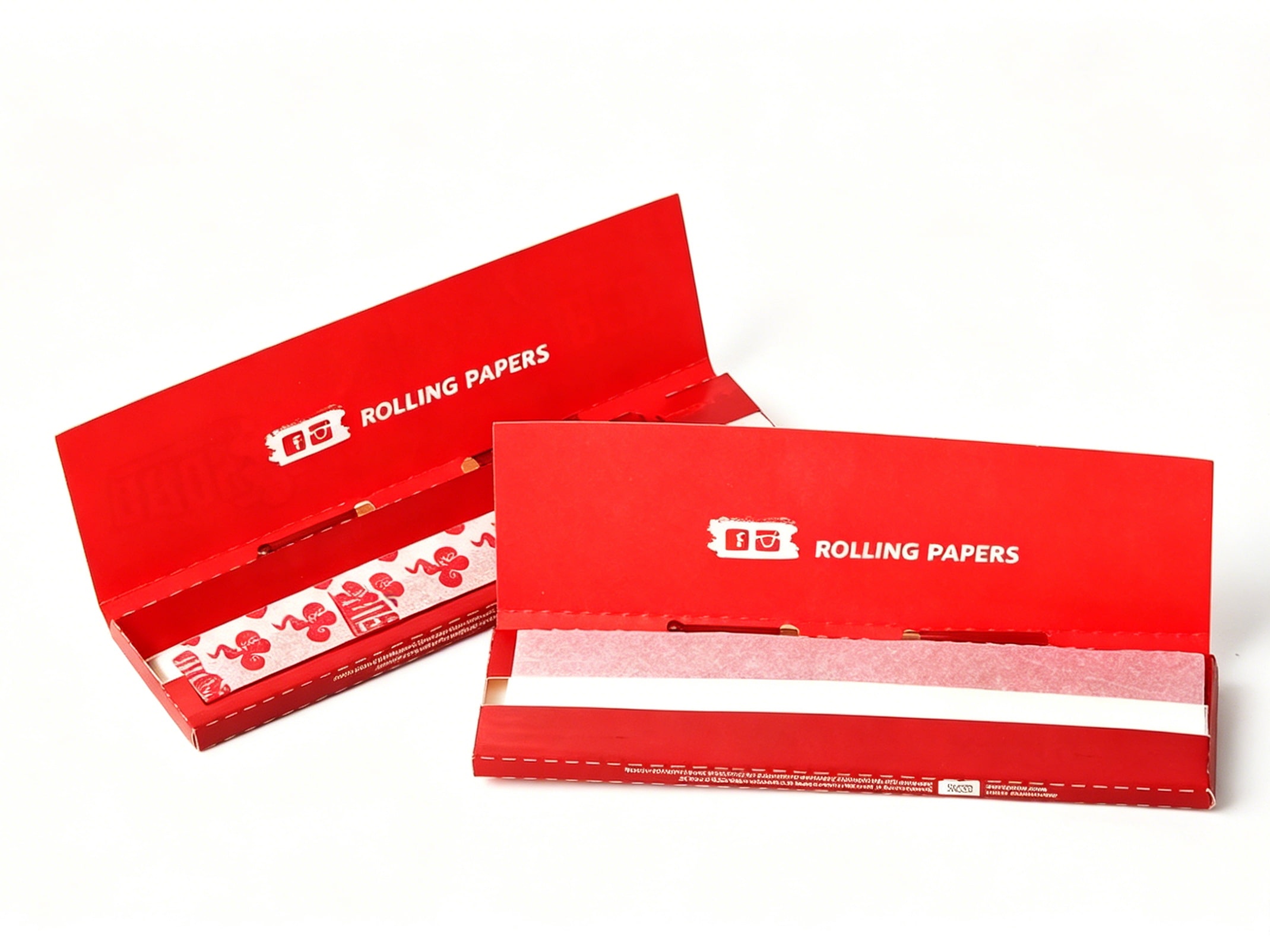
A major concern for premium brands is how to display a logo without using heavy dyes or toxic inks that might affect the burn. Our solution was the "Shadow" watermark, created via a custom dandy-roll process during the paper's formation. This physical indentation allows the brand logo to be visible when held to the light, providing a high-end "embossed" look that is 100% natural and does not affect the combustion rate or flavor.
3. Ergonomic Packaging: The "Crush-Proof" Magnetic Booklet
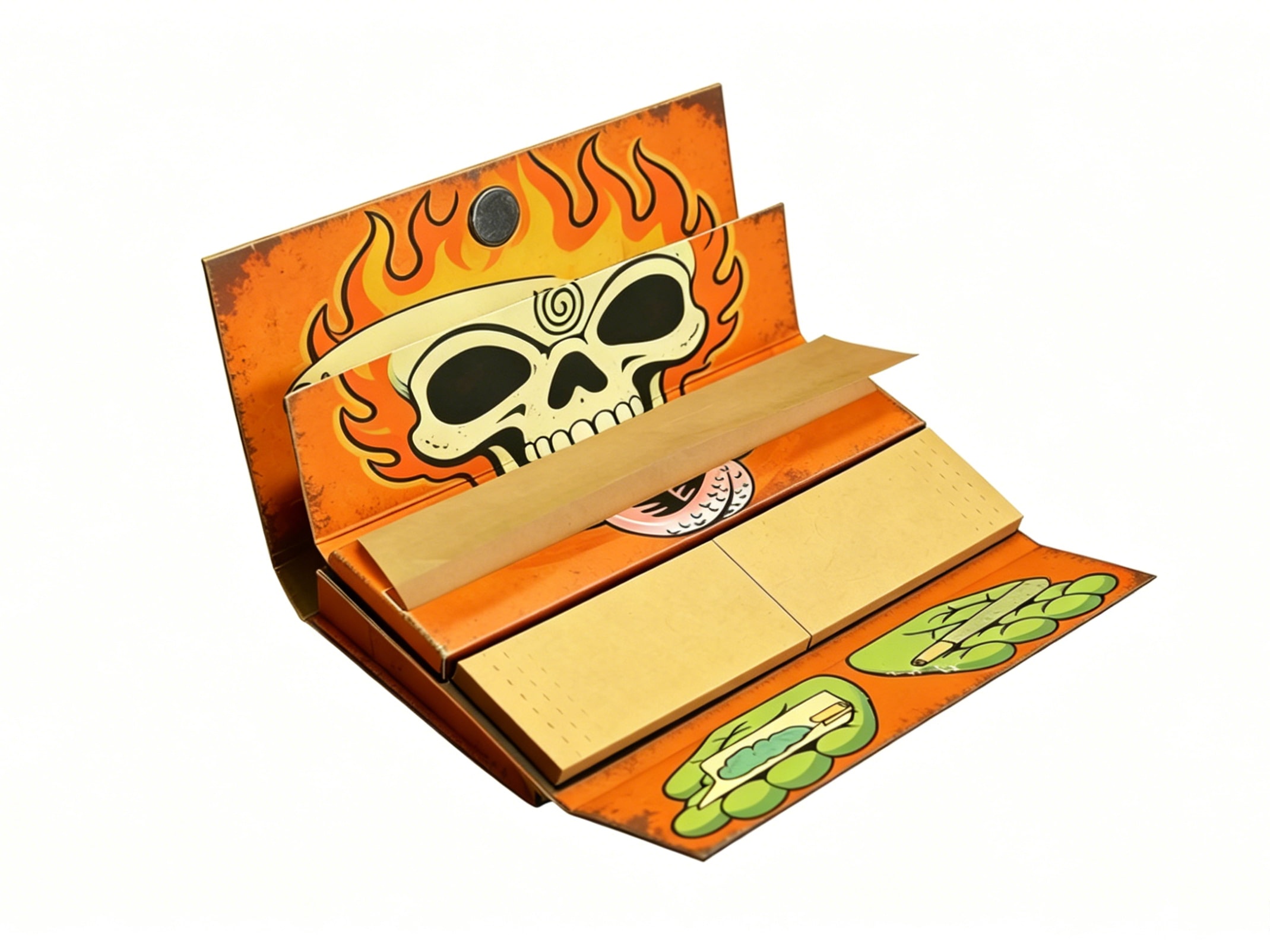
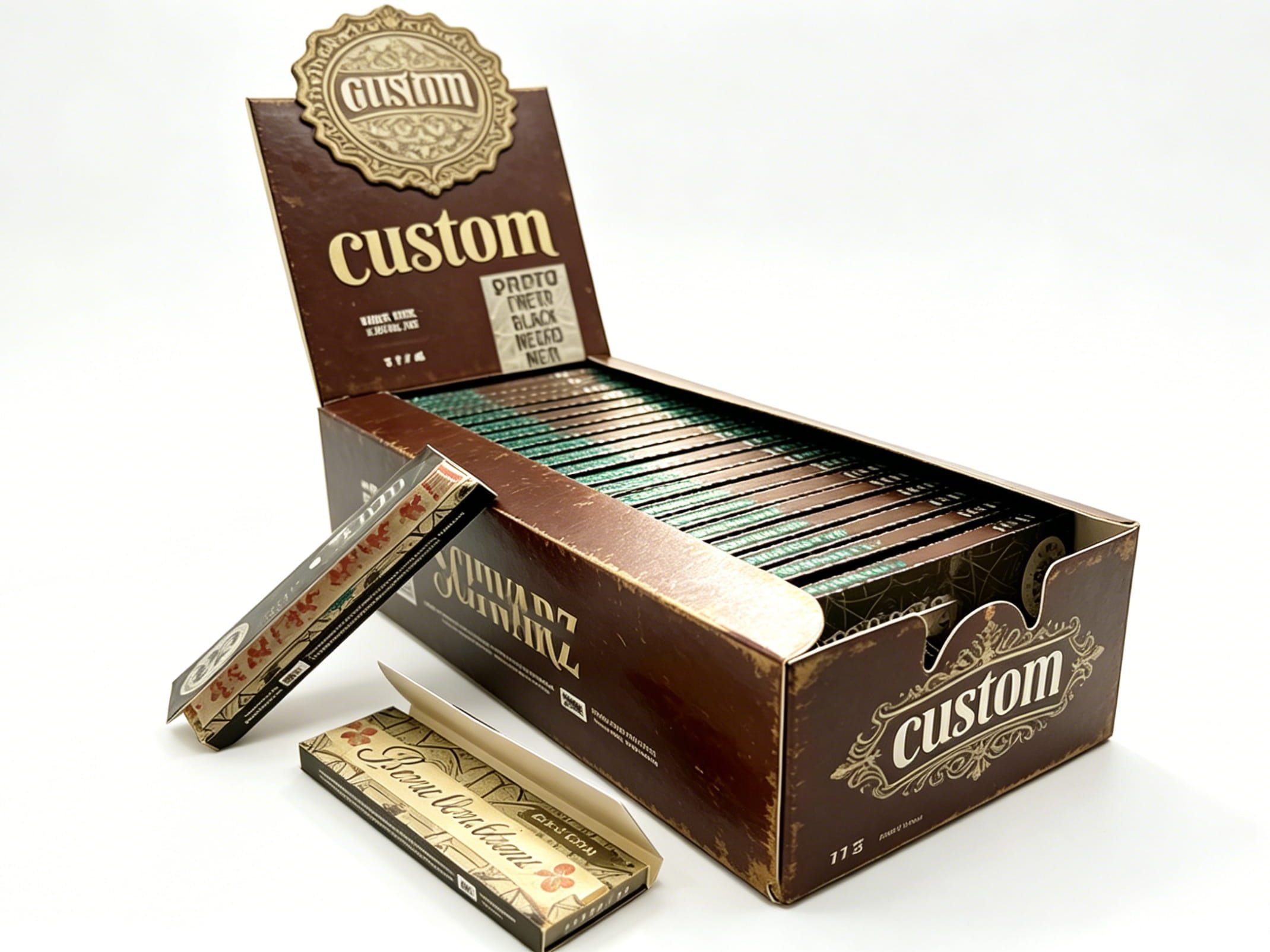
Portability is a key lifestyle factor in North America. We moved away from flimsy standard booklets and designed a reinforced "Crush-Proof" outer shell. To add a final touch of luxury, we integrated a hidden magnetic closure. This ensures that the custom paper packaging remains closed in a pocket or bag, protecting the delicate papers and maintaining the integrity of the brand's visual presentation.
Execution and Technical Specifications: Prioritizing B2B Consistency
For a global B2B distributor, consistency is the foundation of trust. We implemented a rigorous Quality Control (QC) protocol to ensure that every shipment met the same high standards.
· Natural Arabic Gum: We sourced 100% natural Arabic gum directly from the Acacia Senegal tree. This ensures a consistent adhesive strength that doesn't "pop" open, a common complaint with low-end wholesale rolling papers.
· Purity Testing: We provided the client with comprehensive third-party lab reports. These documents confirmed the papers were free of heavy metals, pesticides, and residual solvents—essential for compliance with strict state and provincial health regulations in the US and Canada.
· Precision Slitting: Using automated German-engineered machinery, we ensured that every sheet was cut to exact dimensions, preventing the "frayed edges" often seen in manual production.
Long-Term Impact: Analyzing the Results
The launch of the custom rolling paper line resulted in a total transformation of the client's "add-on" sales strategy. The results were measurable and impactful:
1. Revenue Growth
By positioning the papers as a "necessary companion" to their premium flower, the dispensary saw a 45% increase in accessory revenue within the first six months. The product moved from being a low-cost impulse buy to a high-margin brand staple.
2. Social Media and Organic Marketing
The "Shadow" watermark became a viral success. Customers began sharing "roll shots" on Instagram and TikTok, highlighting the distinct logo against the glowing ember of the paper. This user-generated content (UGC) acted as a free, high-reach marketing campaign that traditional advertising cannot replicate due to strict industry regulations.
3. Enhanced Brand Loyalty
The papers became a status symbol within the local community. By providing a superior rolling paper experience (slow burn, zero taste, easy roll), the client reinforced their position as a quality leader. The custom branded rolling paper served as a daily reminder of the dispensary's excellence, ensuring that when the customer ran out of flower, their first thought was to return to the source.
Conclusion: Why Customization is the Ultimate Medium
This case study demonstrates that for B2B buyers in the United States, Canada, and Europe, custom-made rolling paper is far more than a simple accessory. It is a sophisticated marketing tool that solves the problem of brand "drop-off" after a retail purchase.
When you invest in high-quality materials, compliant production, and thoughtful design, you aren't just selling paper—you are selling a premium experience. Whether you are a rolling paper wholesaler, or a private label brand owner, the lesson is clear: when the keyword is "experience," the medium must be custom.
If you are looking to replicate this success for your own brand, our Shenzhen-based manufacturing team is ready to provide the same level of technical expertise and supply chain reliability. Let us help you bridge the gap between your brand and your customers' lifestyle.
 EN
EN